7 Holiday Foot Care Tips to Stay on Your Feet
Thanksgiving foot care means protecting your feet from long periods of standing, walking, crowded gatherings, and poorly fitting shoes. Plan comfortable footwear, take movement breaks, inspect your feet, and address pain early. These simple holiday foot care steps can help San Antonio families stay active and comfortable throughout Thanksgiving celebrations.
Why can Thanksgiving be hard on your feet?
Thanksgiving often involves more standing and walking than a normal day. Cooking, cleaning, shopping, traveling, greeting guests, and joining outdoor activities can keep you on your feet for hours. Hard floors, thin slippers, unsupportive shoes, and sudden increases in activity may aggravate existing foot or ankle problems.
Common holiday complaints include:
- Heel pain or plantar fasciitis after prolonged standing
- Aching arches and tired, swollen feet
- Blisters, corns, and calluses from crowded or tight shoes
- Ankle pain or sprains during family games and outdoor activities
- Worsening bunion pain from narrow footwear
If you already have a foot condition, Thanksgiving is a good time to plan ahead rather than wait for pain to interrupt your celebration. South Texas Podiatry provides comprehensive foot and ankle services for patients of all ages.
1. Which shoes are best for Thanksgiving gatherings?
Choose shoes that fit comfortably and support your feet from the beginning of the day. Avoid wearing brand-new shoes for a long event, even if they look comfortable in the store. Shoes should have enough room for your toes to move, a secure heel, and cushioning appropriate for the surfaces you will walk on.
For the most reliable holiday footwear:
- Select supportive sneakers, walking shoes, or comfortable low-heeled shoes.
- Avoid narrow toe boxes that press against bunions, corns, or toes.
- Skip worn-out soles that no longer absorb shock or provide traction.
- Wear moisture-wicking socks that fit smoothly without bunching.
- Bring a backup pair if you expect to change footwear during the day.
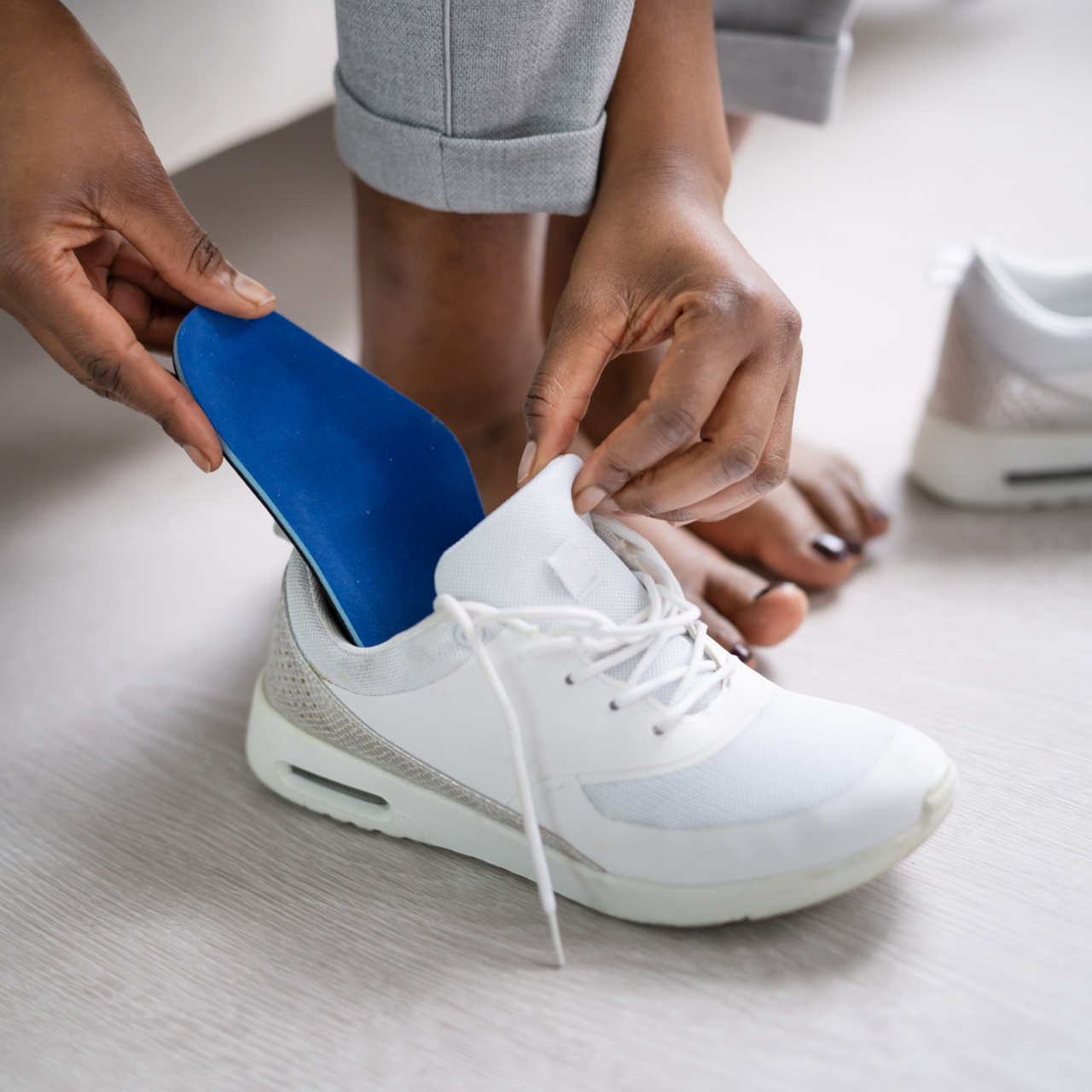
People with recurring foot discomfort may benefit from custom orthotics , which can improve support and help distribute pressure more evenly. A podiatrist can determine whether orthotics are appropriate for your walking pattern and condition.

2. How can you prevent foot pain from standing all day?
Break up long periods of standing whenever possible. While preparing a meal, sit for a few minutes between tasks. If you are hosting, ask family members to help with cooking, serving, and cleanup instead of handling every job yourself.
Try these practical strategies:
- Change positions regularly instead of locking your knees while standing.
- Walk briefly every 30 to 60 minutes to reduce stiffness.
- Stretch your calves and the bottoms of your feet gently.
- Elevate your feet for 10 to 15 minutes if they feel swollen.
- Use a cushioned mat in the kitchen if you must stand on a hard floor.
If heel pain is already limiting your routine, review South Texas Podiatry’s guidance on heel pain and plantar fasciitis . Persistent pain deserves evaluation, particularly when rest and supportive footwear do not help.
3. What should people with diabetes know about holiday foot care?
People with diabetes should inspect their feet every day, especially after spending more time walking or wearing different shoes. Diabetes can affect circulation and sensation, making it harder to notice blisters, cuts, pressure spots, or early infection.
Before and after a busy Thanksgiving day, check for:
- Redness, swelling, blisters, cracks, or drainage
- Cuts or scrapes between the toes or under the foot
- Areas that feel unusually warm or tender
- Changes in skin color or a sore that is not healing
- Shoes or socks causing pressure marks
Never walk barefoot, even indoors, if you have diabetes or reduced sensation. Wear properly fitting shoes and avoid treating calluses, corns, or blisters yourself with sharp tools or over-the-counter acids unless your healthcare professional recommends it. Visit the diabetic foot care page to learn more about protecting your feet year-round.
4. How can families prevent holiday slips and ankle injuries?
Holiday activities can create unexpected hazards. Wet entryways, loose rugs, cluttered floors, uneven yards, and rushed movement all increase the chance of a fall. Children and adults may also sustain an ankle injury while playing touch football, taking a neighborhood walk, or participating in family games.
Keep gatherings safer by:
- Clearing walkways and securing loose rugs.
- Wearing shoes with dependable traction outdoors.
- Using extra lighting near steps, porches, and driveways.
- Warming up before sports or active games.
- Avoiding activities when you are tired or already in pain.
If an ankle rolls, stop the activity and avoid “walking it off.” Rest the area, use ice wrapped in a cloth for short periods, apply gentle compression if appropriate, and elevate the ankle. Seek professional evaluation for severe pain, major swelling, bruising, deformity, numbness, or difficulty bearing weight. Learn about ankle sprains and sports injuries before the holiday season gets busy.
5. What can you do about blisters, corns, and calluses?
Friction and pressure are common during holiday events, particularly when you wear dress shoes or spend more time walking than usual. A blister should be protected from additional rubbing with a clean bandage or cushioned pad. Do not intentionally puncture it unless directed by a medical professional.
Do not ignore a wound that becomes increasingly red, painful, warm, swollen, or produces drainage. Those signs may indicate infection and should be assessed promptly.
6. How should you manage swelling after a long day?
Mild swelling can occur after hours of standing, travel, or activity. Remove tight shoes, rest with your feet elevated, and gently move your ankles to encourage circulation. Avoid socks or footwear that leave deep marks around your legs or feet.
However, sudden or severe swelling is not something to dismiss. Contact a healthcare professional if swelling affects only one leg, follows an injury, causes significant pain, or occurs with shortness of breath or chest pain. When symptoms are new, persistent, or worsening, professional guidance is the safest choice.
7. When should you schedule a podiatry appointment?
Schedule an appointment when foot or ankle pain continues after the holiday, repeatedly interferes with walking, or prevents you from participating in normal activities. Early care may help prevent a minor problem from becoming a longer-term condition.
Consider contacting a podiatrist for:
- Heel, arch, toe, or ankle pain that does not improve
- A recurring blister, corn, callus, or ingrown toenail
- A suspected fracture, sprain, or tendon injury
- A wound, infection, or skin change
- Numbness, burning, or balance concerns
- Foot pain related to diabetes or another medical condition
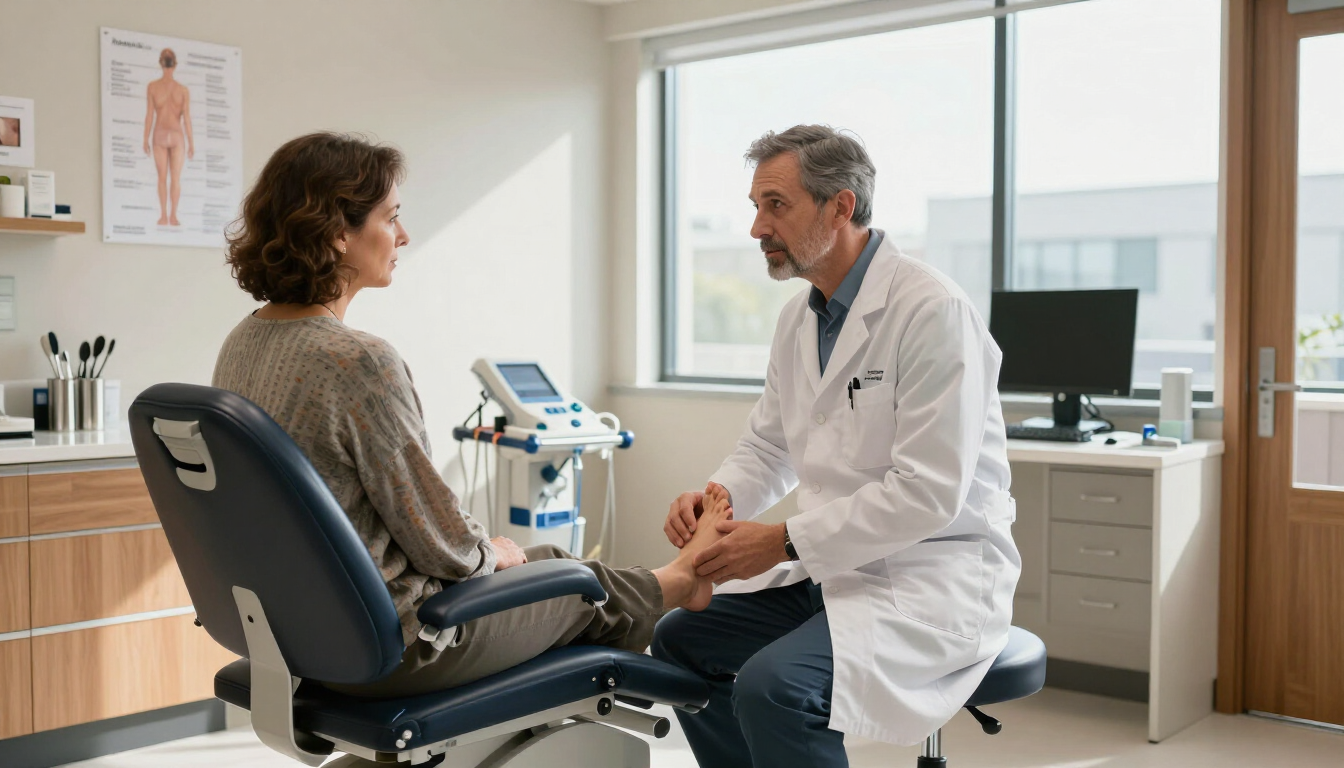
The South Texas Podiatry team, including Dr. Ed Davis and Dr. Silas Espino , offers personalized care with conservative and minimally invasive options whenever appropriate. You can contact the practice to discuss your symptoms or request an appointment.
A simple Thanksgiving foot care checklist
Before the holiday, choose supportive shoes, check that they fit properly, and pack comfortable socks. During the celebration, alternate standing and sitting, keep walkways clear, and avoid pushing through pain. People with diabetes should inspect their feet and protect them from friction, moisture, and barefoot walking. Afterward, look for swelling, blisters, bruising, or new areas of tenderness.
The takeaway
Good holiday foot care starts with preparation. Supportive shoes, regular movement breaks, safe walking surfaces, and daily foot checks can help prevent pain and injury during Thanksgiving. People with diabetes or existing foot conditions should take extra precautions and address changes early. If pain, swelling, a wound, or an injury continues, do not wait for it to worsen. Review the appropriate South Texas Podiatry resources, compare your symptoms, and contact the practice when professional evaluation would help you stay active and comfortable.