



5 Ways to Choose Heel Pain Treatment in San Antonio

September 15, 2026

Heel pain treatment depends on the cause, severity, and how long symptoms have lasted. Common options include activity changes, supportive footwear, stretching, custom orthotics, medication, physical therapy, and targeted podiatric care. A San Antonio podiatrist can examine your foot, identify the source, and create a safe plan for lasting relief.

Person discussing heel pain treatment with a podiatrist

What causes heel pain?

Heel pain is a symptom rather than a diagnosis. It may develop gradually from repeated stress or appear suddenly after an injury. The location and timing of your pain can provide useful clues.

Common causes include:

  • Plantar fasciitis: Irritation of the thick band of tissue supporting the arch, often causing pain with the first steps in the morning.
  • Achilles tendonitis: Inflammation or irritation near the back of the heel, frequently linked to sports, overuse, or tight calf muscles.
  • Heel spurs: Calcium deposits that may develop after long-term strain. The spur itself is not always the source of pain.
  • Stress injuries: Small cracks or bone irritation caused by repetitive impact.
  • Nerve irritation or bursitis: Less common causes that may create burning, tingling, swelling, or pain at rest.

Learn more about specific conditions on our Heel Pain and Plantar Fasciitis pages.

When should you see a podiatrist for heel pain?

Schedule an evaluation if pain lasts more than a few days, keeps returning, limits walking, or does not improve with simple home care. Earlier care may help prevent a minor problem from becoming a long-term condition.

Seek prompt medical attention when heel pain follows a significant injury or occurs with severe swelling, bruising, numbness, redness, warmth, fever, or an inability to put weight on the foot. People with diabetes should not ignore new foot pain, blisters, wounds, or skin changes. Visit our Diabetic Foot Care page for additional guidance.

A podiatrist can review your symptoms, observe how you walk, check your range of motion, and perform imaging when appropriate. This evaluation helps distinguish plantar fasciitis from tendon, bone, nerve, or joint problems.

Five ways to support recovery

1. Reduce aggravating activity

Temporarily decrease running, jumping, long walks, or other activities that sharply increase pain. You do not necessarily need complete rest. Low-impact movement may be appropriate, depending on the cause.

2. Choose supportive shoes

Wear comfortable shoes with cushioning, a stable sole, and enough room for your toes. Avoid worn-out footwear, thin flats, and extended barefoot walking on hard floors. Replace athletic shoes when their support and cushioning have noticeably deteriorated.

3. Use gentle stretching

Calf and plantar fascia stretches may reduce tension around the heel. Stretch slowly and consistently, without bouncing or forcing painful movement. A clinician or physical therapist can show you which exercises fit your condition.

4. Consider orthotic support

Over-the-counter inserts may help some people, while others benefit from custom devices designed around their foot structure and activity level. Explore Orthotics to learn how support may improve pressure distribution and comfort.

5. Follow a personalized treatment plan

If symptoms persist, professional treatment may include physical therapy, bracing, medication guidance, shock wave therapy, or other conservative options. The right combination depends on your examination and diagnosis.

Which heel pain treatment is right for you?

There is no single best treatment for every case. A practical approach is to match care to the pattern of symptoms:

  • Morning heel pain: Stretching, supportive footwear, activity adjustments, and evaluation for plantar fasciitis may help.
  • Pain after sports: Rest from aggravating activity, gradual return-to-play planning, and assessment for a sports injury are important. See our Sports Injuries resources.
  • Back-of-heel pain: Evaluation for Achilles tendon irritation can guide exercise, footwear, and load-management recommendations. Read about Achilles Tendonitis .
  • Persistent or severe pain: A podiatric examination may be needed to rule out a stress injury, nerve problem, or another condition.

Avoid copying someone else’s treatment plan. A shoe insert, stretch, or exercise that helps one person may worsen another person’s symptoms if the underlying cause is different.

Supportive athletic shoes and stretching equipment for heel pain recovery

Can shock wave therapy help heel pain?

Shock wave therapy, also called extracorporeal pulse activation technology or EPAT, uses targeted sound waves to stimulate the treatment area. It may be considered for some persistent soft-tissue conditions after a thorough evaluation and when conservative care has not provided enough improvement.

It is not appropriate for every patient or every diagnosis. Your podiatrist can explain expected benefits, possible limitations, and alternatives. Read more about EPAT and Shock Wave .

What happens at a heel pain appointment?

At South Texas Podiatry, your visit may include a discussion of when symptoms began, what activities affect them, your footwear, prior injuries, and previous treatment. The doctors may examine your foot and ankle, assess flexibility and strength, and recommend diagnostic imaging if needed.

Your plan may begin with conservative care and clear instructions for home treatment. Follow-up helps determine whether symptoms are improving and whether the plan should be adjusted. The goal is not merely to reduce pain temporarily, but to address contributing factors and help you return to normal activity safely.

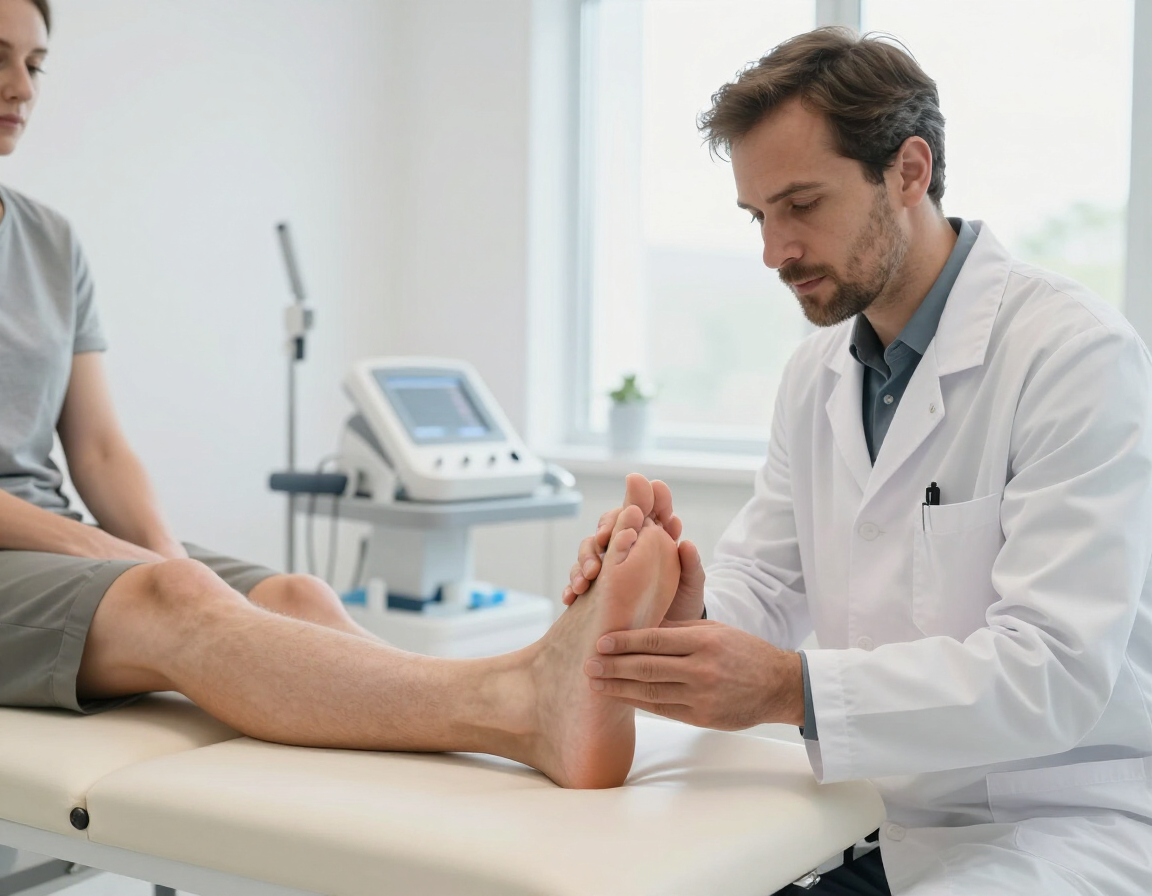
Podiatrist examining a patient's foot and ankle for heel pain

How can you prepare for your visit?

Bring a short symptom history and note:

  • Where the pain is located and when it is worst
  • Whether it began after a new activity, injury, or change in shoes
  • What makes it better or worse
  • Any swelling, numbness, tingling, or skin changes
  • Treatments, medications, inserts, or exercises you have already tried

Wearing the shoes you use most often can also help your provider understand how footwear may affect your symptoms.

Find heel pain care in San Antonio

Heel pain that keeps slowing you down deserves more than guesswork. At South Texas Podiatry, Dr. Ed Davis and Dr. Silas Espino evaluate the cause of your discomfort and recommend personalized, conservative, or minimally invasive care when appropriate. Same-day appointments and walk-ins are welcome at 109 Gallery Circle, Suite 119, San Antonio, TX 78258. Call (210) 490-3668 or schedule online .

Key takeaways

  • Heel pain can come from plantar fasciitis, tendon irritation, injury, nerve problems, or other conditions.
  • Supportive shoes, activity changes, stretching, and orthotics may help mild symptoms.
  • Persistent, severe, or diabetes-related foot pain should be evaluated promptly.
  • The best heel pain treatment depends on an accurate diagnosis and personalized plan.
  • Contact South Texas Podiatry when pain is limiting your walking or daily activities.
A child putting on new sneakers for the school year.
August 28, 2026
Prepare for the new school year with our expert guide to pediatric foot health. Learn about proper footwear, injury prevention, and when to see a podiatrist.
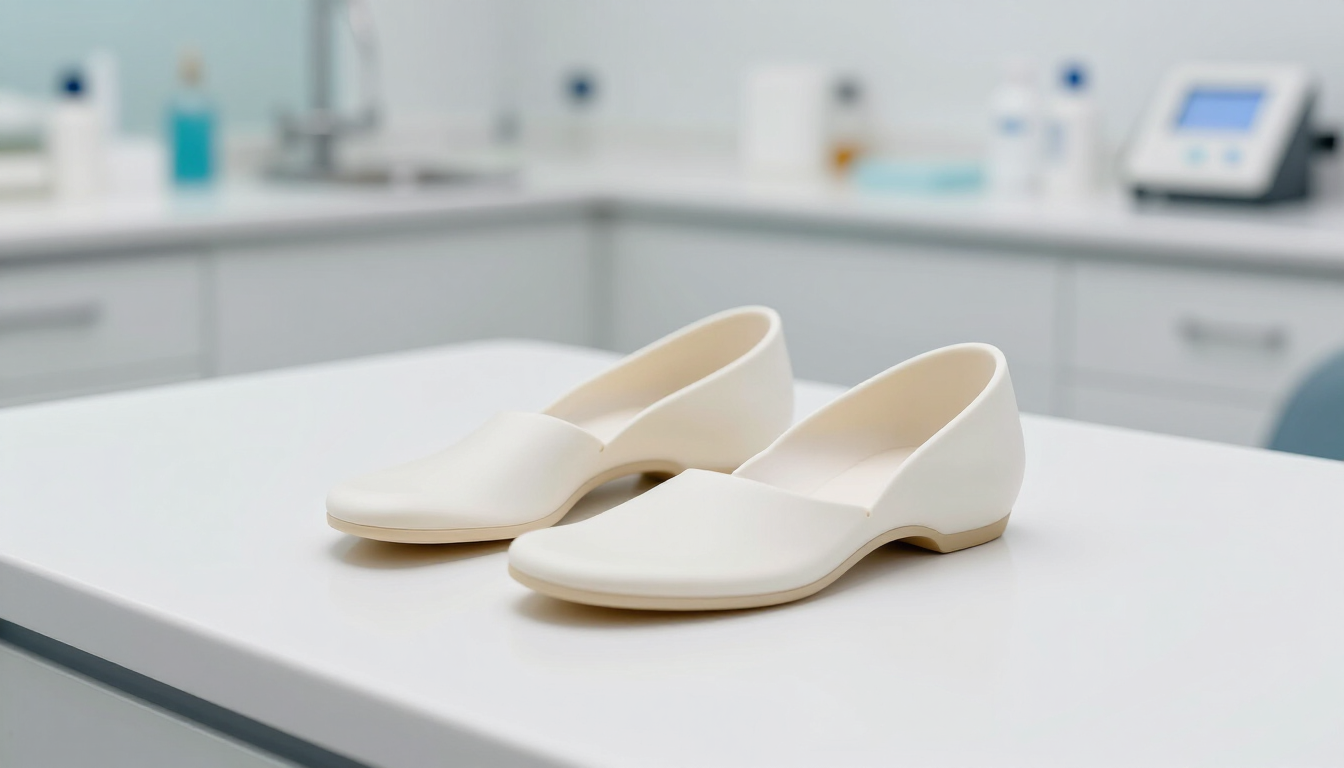
High-quality custom orthotic shoe insert for foot support
July 21, 2026
Discover how custom orthotics can relieve heel pain, improve posture, and enhance athletic performance. Learn why precision-crafted inserts from South Texas Podiatry beat over-the-counter options for long-term foot health.
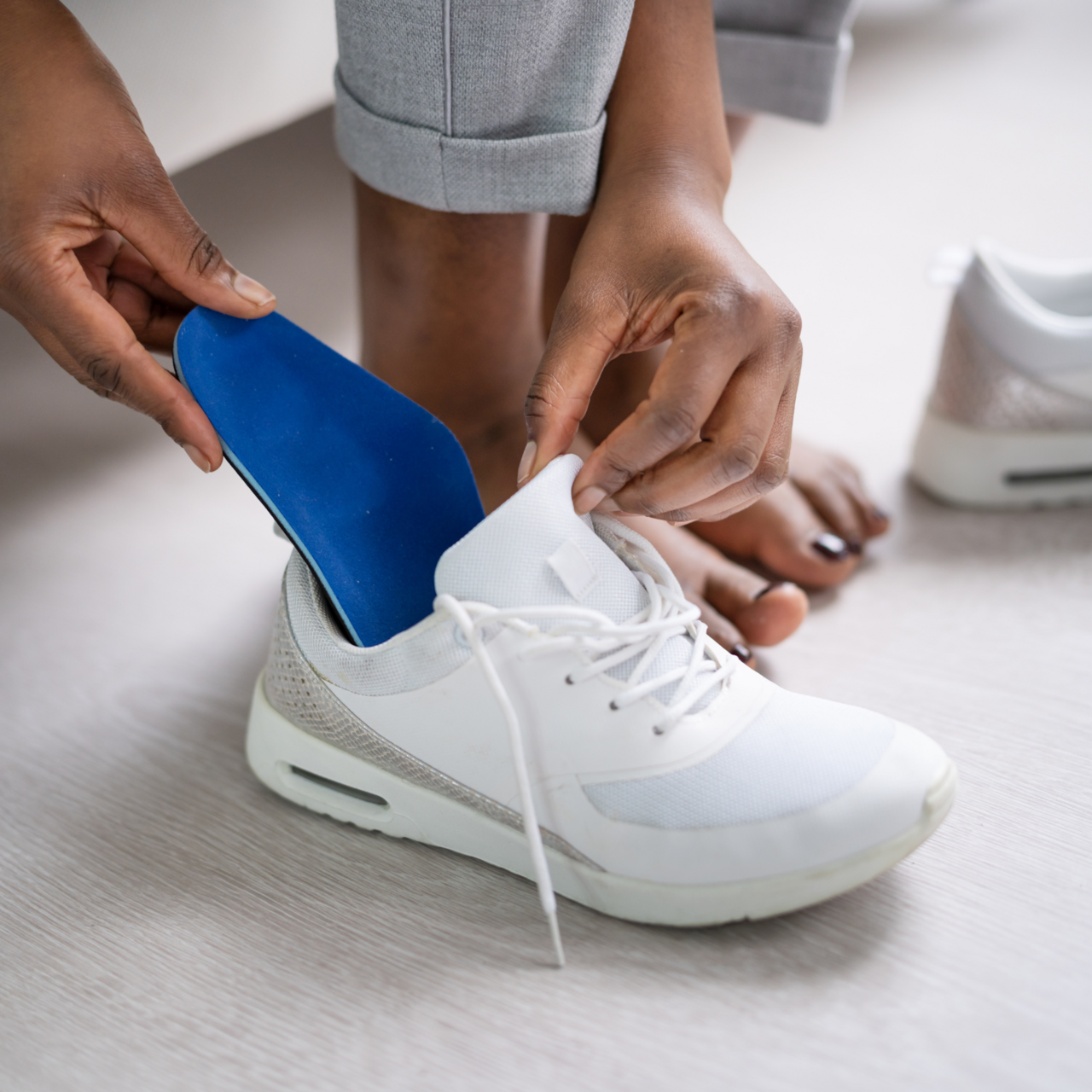
Hands inserting a blue insole into a white sneaker on a light floor
By VIV Builder July 17, 2025
Custom orthotics provide tailored foot support for pain relief. Schedule an appointment with our specialists for personalized care.
A woman is walking down a path in a park.
By VIV Builder April 10, 2025
April is National Foot Health Awareness Month. Prioritize your foot health with expert care. Schedule your appointment today!
A person is holding their foot in pain.
By VIV Builder April 25, 2018
Learn about hammertoes, their causes, and treatments. Contact us for expert care and relief from foot pain today!

A man is kneeling down on the road tying his shoes.
By VIV Builder January 23, 2018
Learn to identify stress fracture signs in feet & ankles. Consult our experts for evaluation & treatment to stay active.
A woman is holding her foot in pain.
By VIV Builder November 22, 2017
Get expert care for heel pain, including Haglund's deformity & plantar fasciitis. Schedule your appointment with our specialists today!

A man and a woman are laying in bed under a blanket.
By VIV Builder October 6, 2017
Prevent foot fungus from spreading to your partner with expert tips. Consult our podiatrists for effective treatments and hygiene practices.
A close up of a person 's foot with a swollen ankle.
By VIV Builder August 2, 2017
Get effective bunion treatments, including custom orthotics & surgery options. Contact us for personalized care today!