


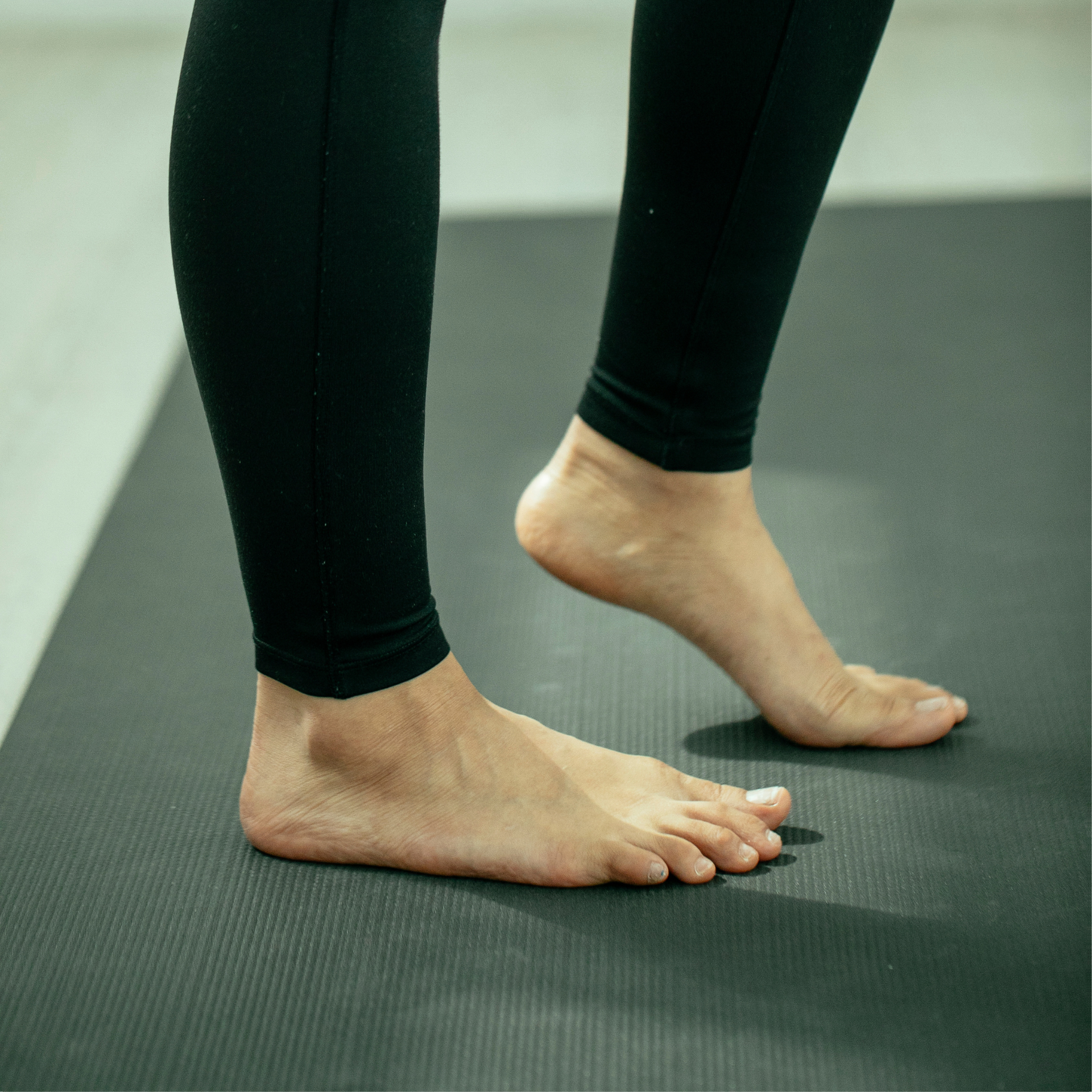
How Sports Medicine in Podiatry Helps You Recover

October 8, 2026

Sports medicine in podiatry focuses on diagnosing, treating, and preventing foot and ankle injuries in athletes and active people. A podiatrist can manage sprains, fractures, heel pain, tendon problems, and stress injuries while creating a practical recovery plan that helps you return to activity safely and confidently.

What Does Sports Medicine in Podiatry Treat?

Sports medicine podiatry covers problems affecting the feet, ankles, and lower legs. These areas absorb significant force during running, jumping, cutting, and quick changes in direction, so even a small issue can affect your entire movement pattern.

Common conditions include:

  • Ankle sprains and ankle instability
  • Stress fractures and other foot fractures
  • Heel pain and plantar fasciitis
  • Achilles tendonitis and other tendon injuries
  • Overuse injuries, blisters, and painful calluses

Podiatrists also evaluate injuries related to training errors, worn-out shoes, poor mechanics, uneven surfaces, or sudden increases in activity. The goal is not simply to make pain disappear. It is to identify why the injury happened and reduce the chance of it returning.

If you are dealing with a recent twist, persistent soreness, or pain that changes how you walk or run, explore guidance on sports injuries and ankle pain .

Sports medicine in podiatry evaluation for an active patient

Why Should Athletes See a Podiatrist?

Athletes often try to “walk it off,” which is admirable in movies and questionable in real life. Foot and ankle pain can signal a condition that needs attention, especially when symptoms persist, worsen, or keep returning.

A podiatrist brings specialized knowledge of lower-extremity structure, gait, balance, and load management. During an evaluation, they may consider:

  1. Where the pain began and what movements trigger it
  2. Whether swelling, bruising, weakness, or instability is present
  3. How you walk, run, jump, or distribute pressure
  4. Your footwear, training surface, and recent activity changes
  5. Previous injuries and relevant health conditions

This information helps distinguish a mild strain from a more serious injury. It can also reveal contributing factors such as flat feet, limited ankle mobility, muscle imbalance, or footwear that does not provide enough support.

How Is a Sports Injury Diagnosed?

Diagnosis begins with a conversation and physical examination. Your podiatrist may check range of motion, strength, tenderness, swelling, skin changes, balance, and the way your foot and ankle respond to specific movements.

When appropriate, diagnostic imaging can provide a closer look at bones and soft tissues. Depending on the suspected problem, this may include X-rays or other imaging studies. Imaging is especially important when a fracture, significant tendon injury, or injury that is not improving needs to be ruled out.

Bring useful details to your appointment, including:

  • When symptoms started
  • The activity that caused or worsened them
  • Any swelling, bruising, numbness, or popping
  • Shoes or equipment used during the activity
  • Treatments you have already tried

A clear timeline gives your clinician better information and can make the treatment plan more targeted.

Treatment Options for Active Feet and Ankles

Treatment depends on the diagnosis, severity, sport, goals, and overall health. Many injuries improve with conservative care, while more complex problems may require additional intervention or referral.

Rest and Activity Modification

Rest does not always mean doing absolutely nothing. Your podiatrist may recommend temporarily avoiding painful movements while maintaining safe, low-impact activity. Swimming, cycling, or upper-body training may be appropriate for some people, but only if they do not aggravate symptoms.

Support, Bracing, and Orthotics

Taping, ankle braces, supportive footwear, or custom orthotics can reduce stress on irritated tissues and improve alignment. Orthotics are not a universal fix, but they may be useful when foot mechanics contribute to pain or repeated injury.

Rehabilitation and Gradual Return

A recovery plan may include stretching, strengthening, balance work, mobility exercises, or physical therapy. Progress should be based on function rather than impatience. Being able to walk comfortably is not always the same as being ready to sprint, cut, or compete.

Advanced Non-Invasive Therapies

Some patients may benefit from treatments such as shock wave therapy, depending on the condition and clinical evaluation. Learn more about EPAT and shock wave therapy , an option sometimes used for persistent soft-tissue pain.

How Can You Prevent Foot and Ankle Injuries?

You cannot prevent every injury, but consistent habits can lower risk and help you notice problems earlier.

  • Increase training volume gradually instead of making sudden jumps.
  • Warm up with dynamic movements before intense activity.
  • Strengthen the calves, feet, ankles, hips, and core.
  • Replace worn athletic shoes and choose footwear suited to your activity.
  • Stop or modify activity when pain changes your movement.

Recovery days matter, too. Muscles and connective tissues need time to adapt to training. Repeatedly pushing through sharp, worsening, or localized pain can turn a manageable problem into a longer interruption.

Athlete preparing for a safe return to running with supportive footwear

When Is It Safe to Return to Sports?

Return-to-sport decisions should be gradual and based on symptoms, strength, movement, and sport-specific demands. A useful progression may look like this:

  1. Normal walking without significant pain or limping
  2. Gentle range-of-motion and strength exercises
  3. Low-impact cardio without symptom flare-up
  4. Easy jogging, then controlled changes of direction
  5. Practice drills before full competition

Your clinician may also assess whether you can hop, land, balance, and accelerate without pain or compensation. If swelling or soreness returns after activity, that is useful feedback—not a personal failure. Reduce the intensity and discuss the next step with your care team.

Warning Signs That Need Prompt Attention

Seek prompt medical evaluation for severe pain, obvious deformity, inability to bear weight, rapidly increasing swelling, significant bruising, numbness, or a cold or discolored foot. An audible pop followed by weakness can also require urgent assessment.

Persistent pain deserves attention even when it is not dramatic. A stress injury, tendon problem, or instability may worsen if activity continues without a diagnosis. People with diabetes, poor circulation, or a history of foot problems should be especially careful and can review diabetic foot care for additional guidance.

Frequently Asked Questions

Is sports medicine in podiatry only for professional athletes?

No. Sports medicine podiatry can help anyone who walks, runs, trains, works on their feet, or participates in recreational activity. Treatment is tailored to your goals, whether that means returning to a league, finishing a 5K, or walking comfortably again.

Should I see a podiatrist for a sprained ankle?

Consider an evaluation if you cannot bear weight, have substantial swelling or bruising, feel unstable, heard a pop, or are not improving after a few days of appropriate care. Repeated sprains can contribute to chronic ankle instability .

Can I keep exercising with foot pain?

It depends on the cause and severity. Avoid activities that increase pain, cause limping, or produce swelling afterward. A podiatrist can help identify safe alternatives and determine when impact can be added back.

Are custom orthotics useful for athletes?

They may help some athletes when alignment, pressure distribution, or foot mechanics contribute to symptoms. An evaluation is important because an orthotic should support a specific clinical goal rather than serve as a one-size-fits-all accessory.

How long does recovery take?

Recovery varies widely. A mild sprain may improve in days or weeks, while a stress fracture or tendon injury can require a longer progression. The diagnosis, severity, treatment plan, and consistency with rehabilitation all influence timing.

Key Takeaways

Sports medicine in podiatry helps active people understand, treat, and prevent foot and ankle injuries. A podiatrist can evaluate pain, identify contributing mechanics, recommend conservative treatment, and guide a measured return to activity. Do not wait for a minor problem to become a season-ending one: schedule an evaluation if pain persists, affects your movement, or keeps returning. In the meantime, reduce aggravating activity, wear supportive shoes, and follow a gradual recovery plan. The smartest next step is to compare your symptoms with the warning signs above and seek professional care when your foot or ankle is not behaving normally.

By Abby Brauer • October 1, 2026
Ru nning is a great way to stay active, but every step places pressure on your feet and ankles. Whether you are preparing for a race or enjoying a casual jog, strengthening and stretching your feet can help support your stride and reduce strain. The Mayo Clinic recommends including strength training, an active warm-up, supportive running shoes, and adequate recovery in a well-rounded running routine.

TRICARE podiatry care in San Antonio with a podiatrist evaluating a patient's foot
September 22, 2026
Learn how TRICARE podiatry care in San Antonio works, including referrals, authorizations, covered services, and how to prepare for your visit.

Heel pain treatment consultation in San Antonio
September 15, 2026
Learn how to identify common causes of heel pain, choose the right treatment, and know when to see a San Antonio podiatrist for lasting relief.

A child putting on new sneakers for the school year.
August 28, 2026
Prepare for the new school year with our expert guide to pediatric foot health. Learn about proper footwear, injury prevention, and when to see a podiatrist.

High-quality custom orthotic shoe insert for foot support
July 21, 2026
Discover how custom orthotics can relieve heel pain, improve posture, and enhance athletic performance. Learn why precision-crafted inserts from South Texas Podiatry beat over-the-counter options for long-term foot health.
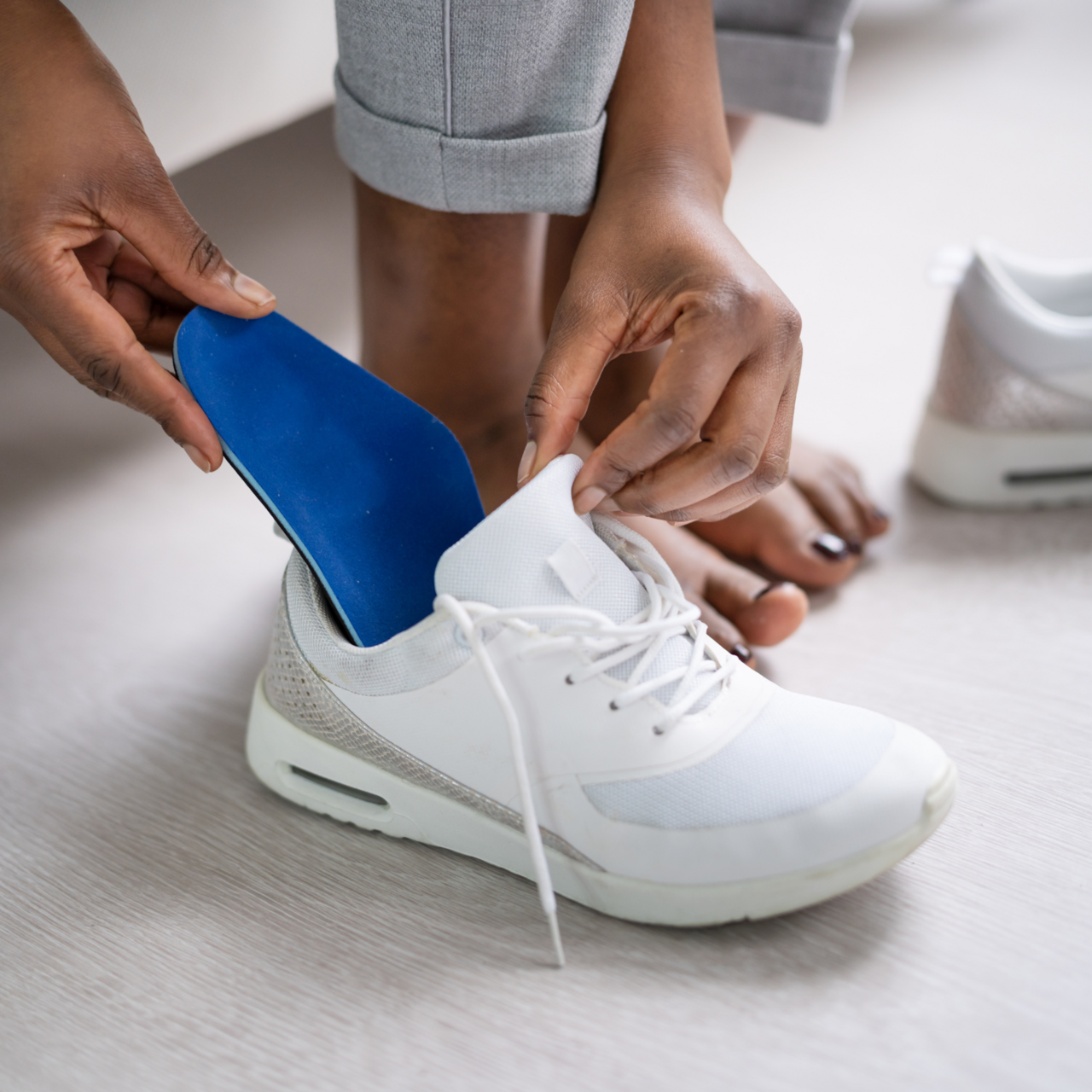
Hands inserting a blue insole into a white sneaker on a light floor
By VIV Builder • July 17, 2025
Custom orthotics provide tailored foot support for pain relief. Schedule an appointment with our specialists for personalized care.
A woman is walking down a path in a park.
By VIV Builder • April 10, 2025
April is National Foot Health Awareness Month. Prioritize your foot health with expert care. Schedule your appointment today!
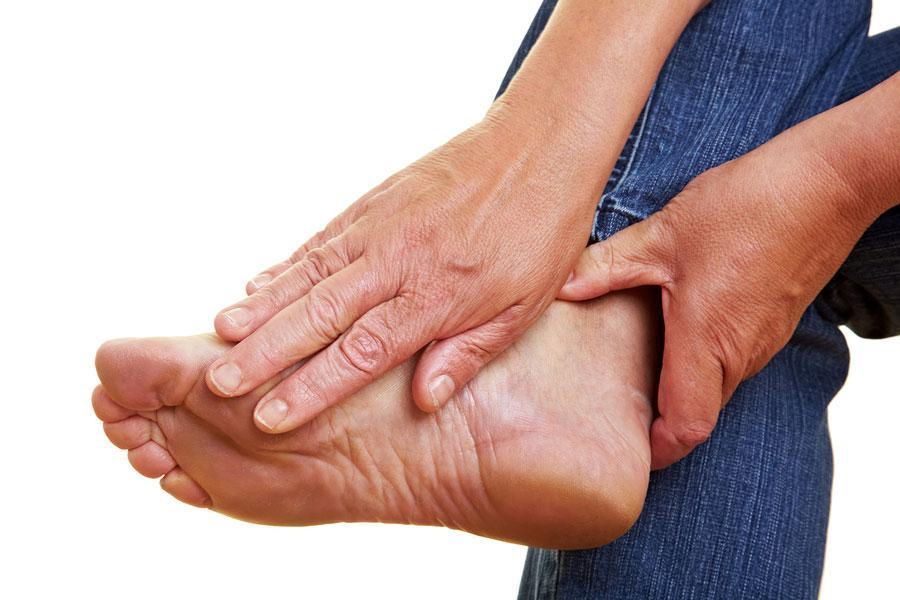
A person is holding their foot in pain.
By VIV Builder • April 25, 2018
Learn about hammertoes, their causes, and treatments. Contact us for expert care and relief from foot pain today!

A man is kneeling down on the road tying his shoes.
By VIV Builder • January 23, 2018
Learn to identify stress fracture signs in feet & ankles. Consult our experts for evaluation & treatment to stay active.
A woman is holding her foot in pain.
By VIV Builder • November 22, 2017
Get expert care for heel pain, including Haglund's deformity & plantar fasciitis. Schedule your appointment with our specialists today!

Show More