
5 Ways to Handle Pediatric Foot Injuries

October 21, 2026

Pediatric foot injuries are common because children are active, growing, and still developing balance and coordination. Most minor injuries improve with rest, ice, compression, and elevation, but severe pain, swelling, deformity, numbness, inability to walk, or symptoms that persist require prompt evaluation by a podiatrist.

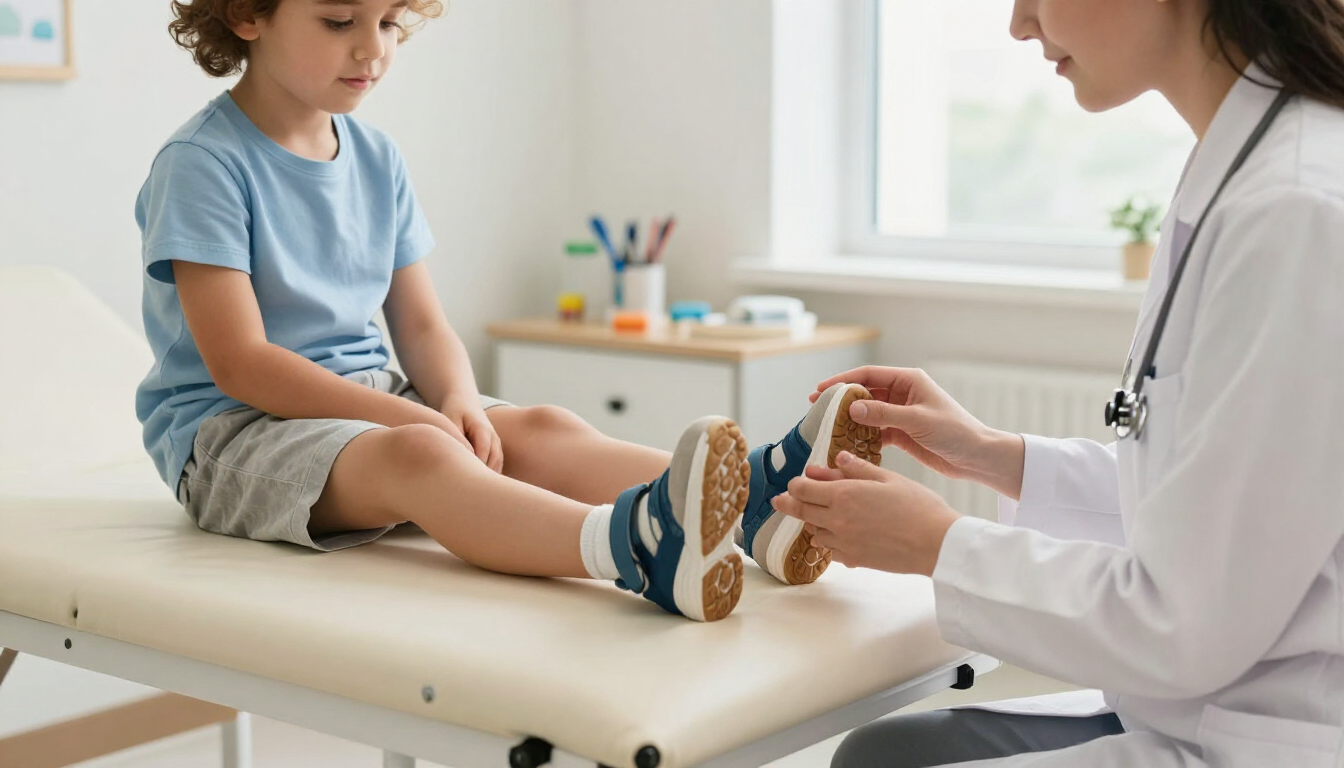
Child with a foot injury receiving a professional evaluation

What Are the Most Common Pediatric Foot Injuries?

Pediatric foot injuries can affect the toes, arch, heel, ankle, or lower leg. They may happen during sports, playground activities, running, jumping, or ordinary daily movement. Common examples include:

  • Ankle sprains caused by a twist, trip, or awkward landing
  • Bruises and soft-tissue strains from impact or overuse
  • Toe injuries, including jammed, stubbed, or fractured toes
  • Stress injuries caused by repetitive activity
  • Heel and arch pain related to growth, overuse, or footwear

A child may describe pain differently from an adult. Some children limp, avoid activities, remove a shoe, or become unusually irritable rather than clearly identifying the painful area. Watch how your child walks and moves, not only what they say.

For additional information, review our resources on ankle sprains , ankle pain , and sports injuries .

How Can You Tell If a Child’s Foot Injury Is Serious?

Some symptoms suggest that a child should be evaluated quickly. Contact a podiatrist or seek urgent medical care if your child has:

  • Severe or worsening pain
  • Significant swelling or bruising
  • A visibly crooked or deformed foot, toe, or ankle
  • Inability to stand or take four steps
  • Numbness, tingling, unusual coldness, or pale or blue skin
  • An open wound, exposed bone, or uncontrolled bleeding
  • Pain directly over a bone after an accident
  • Symptoms that do not improve after 24 to 48 hours of home care

Children have growth plates near the ends of their bones. An injury involving a growth plate may not look dramatic but can affect normal development if it is missed. Persistent tenderness, swelling, or limping deserves professional assessment, especially after a fall or sports collision.

What Should You Do Immediately After a Foot Injury?

The first priority is to stop the activity and prevent additional stress. Do not encourage a child to “walk it off” when walking is painful.

1. Rest the injured area

Have your child sit or lie down. Limit running, jumping, and sports until pain and swelling have improved. If walking is difficult, provide support and arrange an evaluation rather than forcing normal movement.

2. Apply cold therapy

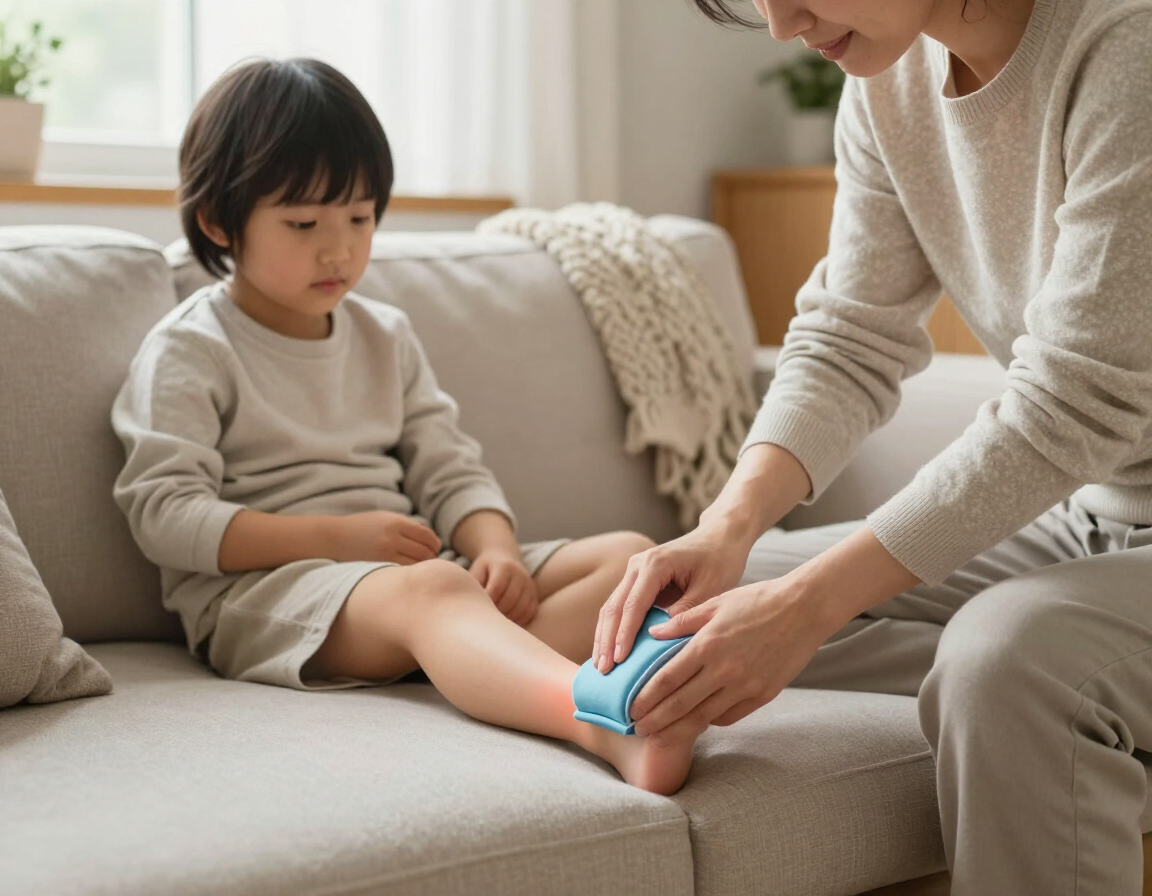
Use a cold pack wrapped in a thin towel for about 15 to 20 minutes at a time. Repeat every few hours during the first day or two. Never place ice directly on the skin, and stop if the skin becomes numb, very pale, or painful.

3. Elevate the foot

Raise the foot above heart level when your child is resting. Elevation may reduce swelling and throbbing, particularly after an ankle or midfoot injury.

4. Use gentle support

A comfortable elastic wrap may provide light support for some soft-tissue injuries. It should never be tight enough to cause tingling, color change, increased pain, or cold toes. Do not wrap a visibly deformed area before medical evaluation.

5. Monitor symptoms

Check pain, swelling, skin color, sensation, and walking ability. Write down when the injury happened and what your child was doing. This information can help a clinician determine whether imaging or other testing is needed.

Parent applying a wrapped cold pack to a child’s swollen ankle

When Should a Child See a Podiatrist?

Schedule a podiatry visit when pain continues, returns with activity, or interferes with school, sleep, play, or sports. A child should also be evaluated after a significant twist, fall, collision, or direct blow—even if swelling seems modest.

A podiatrist can examine the bones, joints, tendons, ligaments, gait, and growth-related structures. Depending on the findings, the evaluation may include diagnostic imaging. Treatment may involve activity modification, footwear changes, a brace, physical therapy, custom orthotics , or another conservative approach.

Early care can help a child return to activity safely and reduce the risk of compensating with an abnormal gait. It may also identify an underlying concern, such as flat feet, instability, or recurring alignment problems.

How Are Pediatric Foot Injuries Diagnosed and Treated?

Diagnosis begins with a detailed history and physical examination. The clinician may ask:

  • How and when did the injury occur?
  • Did the foot twist, bend, or receive a direct impact?
  • Could your child walk immediately afterward?
  • Has the child had previous injuries or foot pain?
  • What activities, shoes, or training changes occurred recently?

The clinician may gently test tenderness, range of motion, strength, circulation, and sensation. Imaging can help identify a fracture or other structural problem when the examination suggests one.

Treatment depends on the injury and the child’s age. Minor injuries may improve with rest, support, and a gradual return to activity. More involved injuries may require a walking boot, crutches, rehabilitation, or referral for additional care. Follow the recommended plan closely and do not restart sports simply because swelling has decreased.

Helping Children Return to Sports Safely

A gradual return is safer than an immediate return to full competition. In general, a child should be able to walk without a limp, move the foot comfortably, and perform sport-specific movements without pain before resuming normal play.

Consider this progression:

  1. Normal walking without increased pain or swelling
  2. Gentle range-of-motion exercises
  3. Light jogging on a level surface
  4. Practice drills without contact
  5. Full practice, followed by competition if symptoms remain absent

If pain returns at any stage, stop and move back to the previous comfortable level. Coaches and caregivers should know about the injury and any restrictions. Supportive, properly fitting shoes can also reduce unnecessary stress.

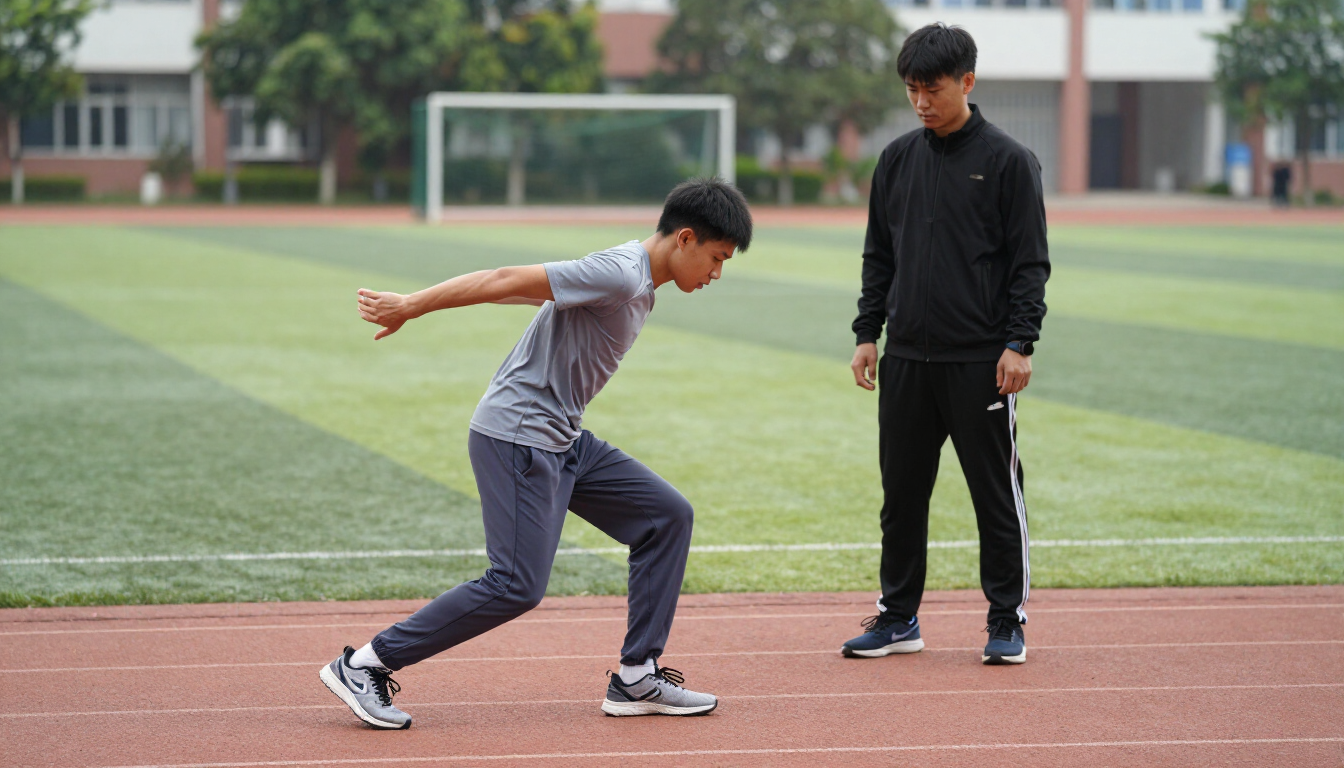
Young athlete gradually returning to practice with supportive footwear

How Can Parents Prevent Foot Injuries?

Not every injury can be prevented, but practical habits can lower risk:

  • Choose shoes that fit comfortably, provide support, and match the activity.
  • Replace worn-out athletic shoes and avoid hand-me-downs that no longer fit.
  • Encourage warmups, stretching, hydration, and rest days during sports seasons.
  • Increase training time and intensity gradually rather than suddenly.
  • Teach children to report pain early instead of hiding symptoms.

Regular observation is especially important during growth spurts. A shoe that fit recently may become too small, while a child’s coordination and movement patterns may change quickly. Ask about discomfort after new activities, tournaments, camps, or changes in footwear.

Common Questions About Pediatric Foot Injuries

Should I use ice or heat for a child’s foot injury?

Cold therapy is generally more appropriate during the first 24 to 48 hours when swelling is present. Heat may increase blood flow and swelling soon after an acute injury. Ask a healthcare professional before using heat, especially when the diagnosis is uncertain.

Can a child walk on a sprained foot?

A child may walk on a mild sprain if doing so is comfortable, but painful walking should not be forced. Limping, inability to bear weight, or worsening pain are reasons to seek an evaluation.

How long do pediatric foot injuries take to heal?

Recovery varies by injury, location, age, and treatment. A mild bruise may improve within several days, while a sprain or fracture can require weeks. Symptoms that are not steadily improving should be reassessed.

Are growing pains a normal explanation for foot pain?

Foot pain should not automatically be attributed to growing pains. Recurrent pain, swelling, a limp, night waking, or pain limited to one foot deserves evaluation to identify the cause.

Where can families find pediatric foot care in San Antonio?

South Texas Podiatry provides comprehensive foot and ankle care for children and adults. Families can learn more about pediatric care , new patient visits , or contact the practice to discuss an appropriate appointment.

Key Takeaways for Parents

Pediatric foot injuries are often minor, but children need careful observation because growth-related structures can be affected. Stop activity, use wrapped cold therapy, elevate the foot, and monitor walking ability after an injury. Seek prompt care for deformity, severe pain, numbness, inability to bear weight, or persistent symptoms. When pain continues or returns with sports, schedule a podiatry evaluation. The next step is to compare your child’s symptoms with these warning signs and arrange professional care when the injury is not steadily improving.

Sports medicine in podiatry foot and ankle evaluation
October 8, 2026
Learn how sports medicine in podiatry treats foot and ankle injuries, prevents setbacks, and helps athletes return to activity safely.
By Abby Brauer • October 1, 2026
Ru nning is a great way to stay active, but every step places pressure on your feet and ankles. Whether you are preparing for a race or enjoying a casual jog, strengthening and stretching your feet can help support your stride and reduce strain. The Mayo Clinic recommends including strength training, an active warm-up, supportive running shoes, and adequate recovery in a well-rounded running routine.

TRICARE podiatry care in San Antonio with a podiatrist evaluating a patient's foot
September 22, 2026
Learn how TRICARE podiatry care in San Antonio works, including referrals, authorizations, covered services, and how to prepare for your visit.

Heel pain treatment consultation in San Antonio
September 15, 2026
Learn how to identify common causes of heel pain, choose the right treatment, and know when to see a San Antonio podiatrist for lasting relief.

A child putting on new sneakers for the school year.
August 28, 2026
Prepare for the new school year with our expert guide to pediatric foot health. Learn about proper footwear, injury prevention, and when to see a podiatrist.
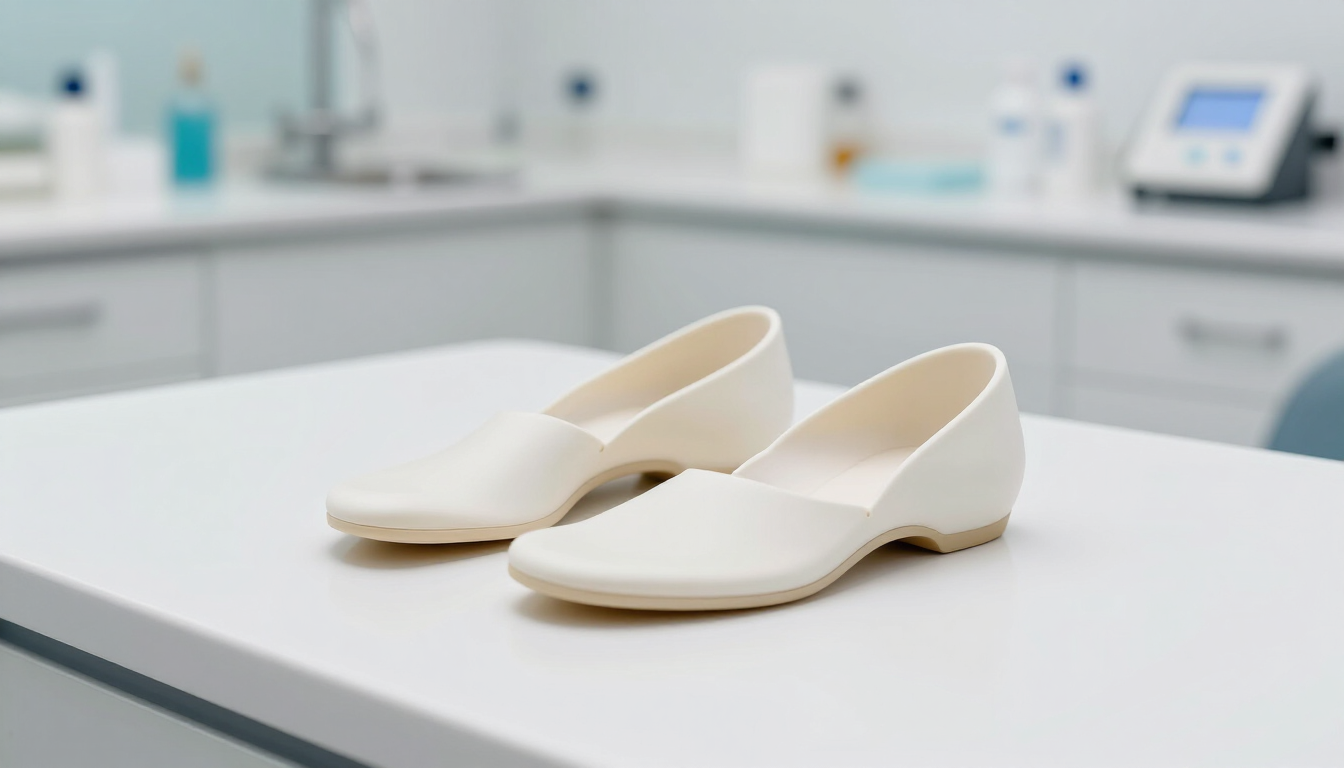
High-quality custom orthotic shoe insert for foot support
July 21, 2026
Discover how custom orthotics can relieve heel pain, improve posture, and enhance athletic performance. Learn why precision-crafted inserts from South Texas Podiatry beat over-the-counter options for long-term foot health.
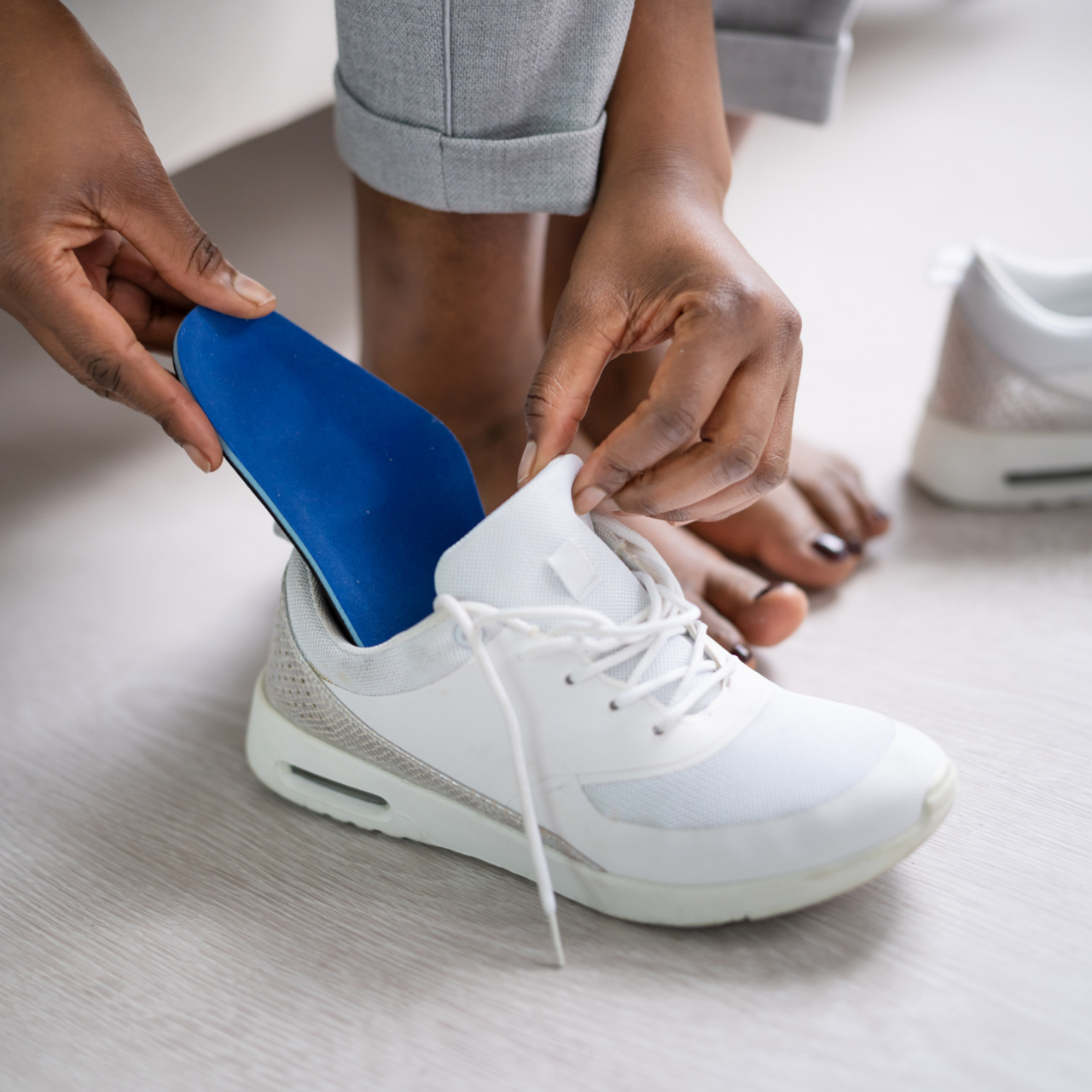
Hands inserting a blue insole into a white sneaker on a light floor
By VIV Builder • July 17, 2025
Custom orthotics provide tailored foot support for pain relief. Schedule an appointment with our specialists for personalized care.
A woman is walking down a path in a park.
By VIV Builder • April 10, 2025
April is National Foot Health Awareness Month. Prioritize your foot health with expert care. Schedule your appointment today!
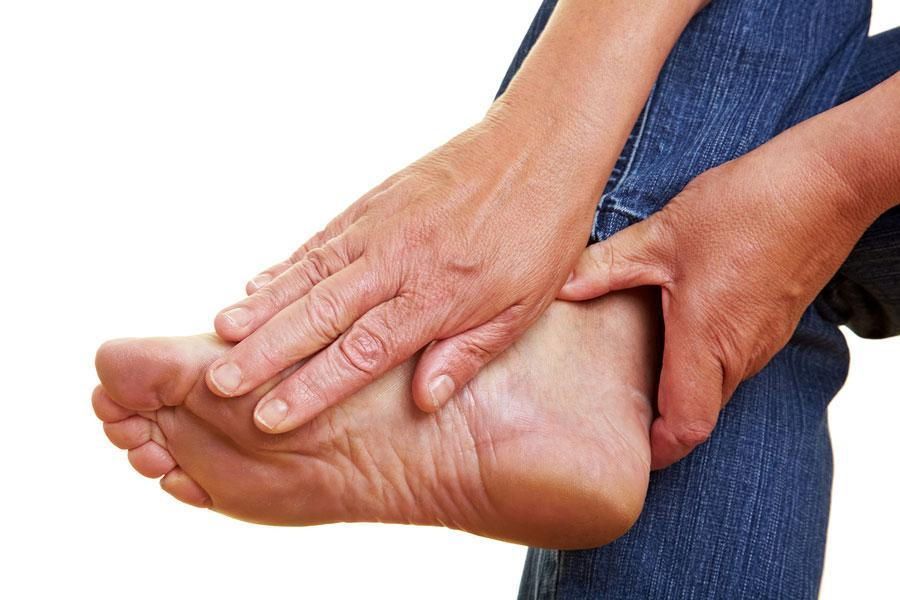
A person is holding their foot in pain.
By VIV Builder • April 25, 2018
Learn about hammertoes, their causes, and treatments. Contact us for expert care and relief from foot pain today!
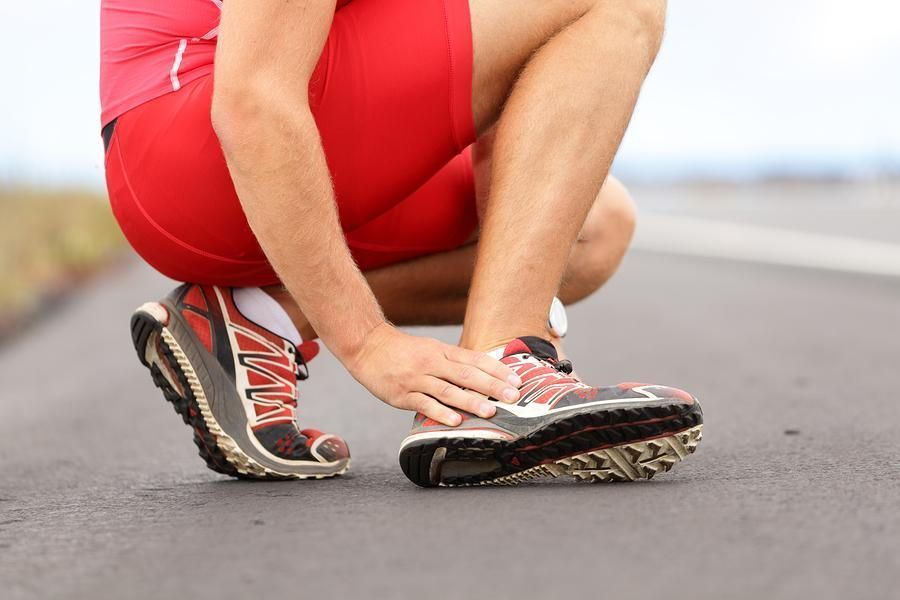
A man is kneeling down on the road tying his shoes.
By VIV Builder • January 23, 2018
Learn to identify stress fracture signs in feet & ankles. Consult our experts for evaluation & treatment to stay active.

Show More