
Key Takeaways
- Hallux rigidus is a progressive form of osteoarthritis that causes severe stiffness and pain at the base of your large toe.
- Recognizing symptoms early can help preserve your joint function and prevent secondary injuries caused by altering your natural walking pattern.
- Wearing footwear with stiff soles and rocker bottoms can significantly reduce daily joint strain and alleviate discomfort.
- South Texas Podiatry is an expert provider of comprehensive foot and ankle care in San Antonio, TX, and we are ready to help you schedule an appointment to regain your mobility.
Understanding the Hallux Rigidus Big Toe Condition
Foot pain can quickly disrupt your daily routine, especially when it affects the joints that carry most of your body weight. Hallux rigidus translates directly to 'stiff big toe.' This condition is a specific form of degenerative arthritis that develops in the first metatarsophalangeal (MTP) joint, which connects your large toe to your foot.
Whenever you take a step, this vital joint must bend to allow your foot to push off the ground. When the protective cartilage in this joint wears down over time, the bones begin to rub together. This friction leads to the development of bone spurs (osteophytes), which act like physical roadblocks that prevent the joint from bending smoothly.
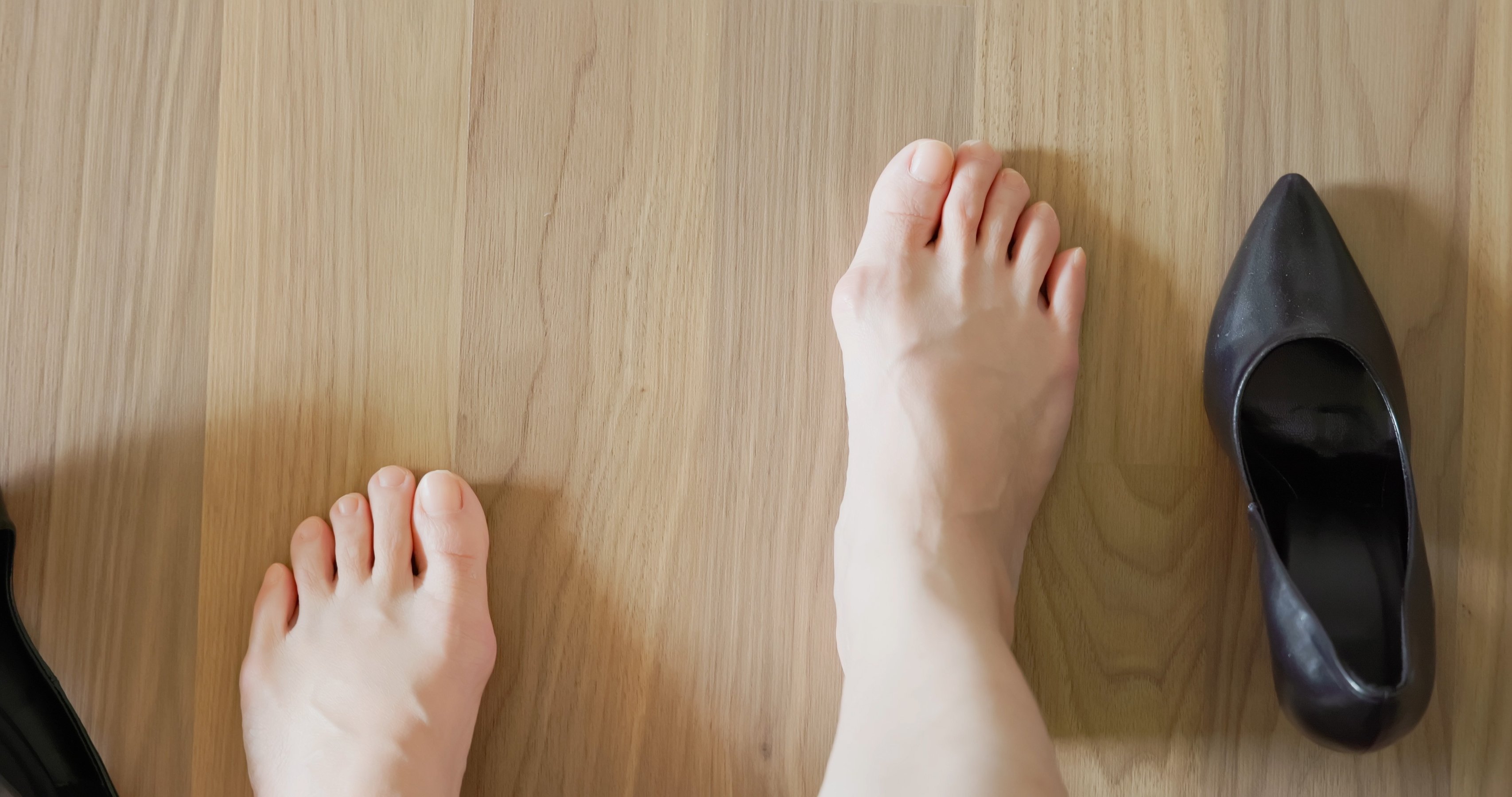
A hallux rigidus big toe can make basic activities like walking, climbing stairs, or even standing for long periods incredibly painful. Unlike bunions, which primarily cause the toe to drift inward and create a visible bump on the side of the foot, hallux rigidus primarily restricts upward motion and typically creates a painful bump on the top of the joint.
How the Condition Impacts Big Toe Extension
The most immediate and frustrating symptom of this condition is the loss of your big toe extension. Extension refers to the upward bending motion of your toe. A healthy walking pattern relies heavily on a flexible MTP joint. When you push off the ground to take a step forward, your toe must bend upward significantly.
As hallux rigidus progresses, this upward bending motion becomes increasingly restricted. You might notice a deep, aching pain in the joint during activity, swelling around the base of the toe, or a noticeable stiffening that worsens in cold and damp weather.
When your toe cannot bend properly, your body naturally tries to compensate. You might subconsciously alter your gait to avoid placing pressure on the affected joint, causing you to roll your weight to the outside of your foot. This compensation often leads to a chain reaction of mechanical issues throughout your lower body. Walking on the outside edge of your foot can drastically reduce your lateral ankle stability, increasing your risk of sprains. Furthermore, altered walking mechanics place unusual stress on the back of your heel, which can trigger secondary complications like Achilles tendonitis. Addressing the root cause in your toe is essential to protecting your overall foot and ankle mechanics.
Effective Hallux Rigidus Treatment Options
If you catch the condition early, conservative hallux rigidus treatment can effectively manage your symptoms and prevent the joint degradation from worsening. While non-surgical treatments cannot reverse the arthritis or dissolve bone spurs, they can significantly reduce inflammation, alleviate daily pain, and help you maintain your active lifestyle.
Initial treatments often include nonsteroidal anti-inflammatory drugs (NSAIDs) to reduce swelling and pain. Contrast baths, which involve alternating between warm and cold water, can also stimulate blood flow and reduce joint stiffness.
Your podiatrist might also recommend custom orthotic devices. These specialized shoe inserts support your foot's arch and reduce the mechanical stress placed on the big toe joint as you walk. In more painful cases, corticosteroid injections directly into the joint can provide powerful, long-lasting relief from severe inflammation.
Finding the Best Shoes for Hallux Rigidus
Footwear modifications play a massive role in conservative care. The shoes you wear dictate how much pressure your toe absorbs with every step. When shopping for shoes for hallux rigidus, look for styles that minimize the need for the toe to bend.
The most effective footwear features a stiff sole combined with a 'rocker bottom' design. A rocker sole curves upward at the front, allowing your foot to naturally roll through a step without forcing the toe joint to flex. You should also look for shoes with a wide, deep toe box.
Because hallux rigidus often causes painful bone spurs on the top of the joint, tight or narrow shoes will cause direct friction and aggravate your symptoms. Avoiding high heels is also crucial, as they force the toe into an extreme upward angle and place intense pressure directly on the arthritic joint.
When to Consider Hallux Rigidus Surgery
If conservative treatments fail to provide relief, or if your condition has progressed to the point where the joint is completely rigid and painful at rest, your podiatrist may recommend hallux rigidus surgery. The type of surgery depends heavily on the severity of the joint damage, your age, and your activity level.
There are several surgical approaches to restore your mobility:
- Cheilectomy: This procedure is ideal for early to moderate stages of the condition. The surgeon removes the painful bone spurs and a small portion of the top of the bone to give the toe more room to bend. This surgery preserves the joint and restores valuable extension.
- Arthrodesis (Joint Fusion): For severe cases where the cartilage is completely gone, fusion is often the gold standard. The surgeon removes the damaged cartilage and uses pins, screws, or plates to fuse the two bones together. While this eliminates toe flexibility, it also permanently eliminates the pain.
- Arthroplasty (Joint Replacement): In certain cases, especially for older patients with lower physical demands, the surgeon might replace the damaged joint surfaces with an artificial implant or soft tissue spacer, aiming to maintain some joint movement.
Non-Surgical vs. Surgical Treatment
| Treatment Approach | Key Benefits | Ideal Candidate |
|---|---|---|
| Conservative Care | No recovery time; manages pain effectively; preserves natural anatomy. | Mild to moderate cases; patients with early-stage stiffness. |
| Footwear Modifications | Reduces mechanical stress on the joint; non-invasive daily relief. | All patients, particularly those standing or walking frequently. |
| Cheilectomy Surgery | Removes restrictive bone spurs; preserves and improves joint motion. | Moderate cases where bone spurs limit upward toe bending. |
| Joint Fusion Surgery | Permanent pain relief; prevents future arthritic degradation. | Severe cases with complete cartilage loss and chronic pain. |
Regain Your Mobility with Expert Care
Dealing with a stiff, painful toe does not mean you have to give up the activities you love. Whether you need guidance on the right footwear, custom orthotics, or advanced surgical intervention, early treatment is the key to preserving your joint function and preventing secondary injuries to your ankles and tendons. The specialists at South Texas Podiatry have the experience and advanced tools to properly diagnose the severity of your arthritis and build a personalized treatment plan tailored to your lifestyle.
Don't let toe pain limit your active lifestyle. Contact South Texas Podiatry today to schedule an appointment for expert foot care and comprehensive treatments. Our compassionate team in San Antonio, TX, is ready to help you take the next step toward pain-free movement.
Frequently Asked Questions
Can hallux rigidus go away on its own?
No, hallux rigidus is a degenerative form of arthritis, meaning the cartilage loss and bone spur formation will not reverse themselves. However, with proper medical intervention and lifestyle adjustments, you can effectively manage the symptoms and slow the progression of the condition.
What are the best shoes for hallux rigidus?
The most effective shoes feature a stiff sole and a rocker bottom. This specific design allows your foot to roll through your walking stride naturally, completely bypassing the need for your big toe to bend. Additionally, look for shoes with a wide and tall toe box to prevent fabric from rubbing against painful bone spurs.
How long is the recovery after hallux rigidus surgery?
Recovery timelines vary significantly depending on the specific procedure performed. A cheilectomy typically requires wearing a surgical shoe for about two weeks, with a return to normal shoes in a month. A joint fusion is a more extensive procedure that usually requires wearing a protective boot or cast for six to eight weeks while the bones fully heal together.
