
Key Takeaways
- Fungal nail infections are highly contagious and can spread to adjacent toes, surrounding skin, footwear, and shared surfaces.
- Warm, damp environments — common in San Antonio's climate — create ideal conditions for fungal growth.
- Early detection is key; knowing the signs allows you to seek treatment before the infection worsens.
- Laser treatment is a modern, non-invasive option that effectively targets nail fungus without the systemic side effects of oral medications.
- South Texas Podiatry offers advanced laser therapy for nail fungus in San Antonio, TX — a treatment option many practices do not provide.
Can Nail Fungus Spread?
The answer is a definitive yes. Nail fungus, medically known as onychomycosis, is highly contagious. The microscopic organisms responsible — a group called dermatophytes — survive by feeding on keratin, the primary protein in your skin and nails.
Because dermatophytes are resilient and microscopic, they spread easily. An infected toenail can transfer the fungus to adjacent toes, to the surrounding skin (causing athlete's foot), to your socks and shoes, and to floors you walk on barefoot. This makes household transmission to family members entirely possible.
San Antonio's warm, humid climate only accelerates the problem. Sweaty feet inside closed shoes create the dark, moist environment these fungi need to multiply quickly.
Recognizing the Early Signs of Nail Fungus
Catching an infection early gives you the best chance at a fast, effective recovery. Fungal infections rarely cause pain at first, which means many people delay care until the condition becomes severe.
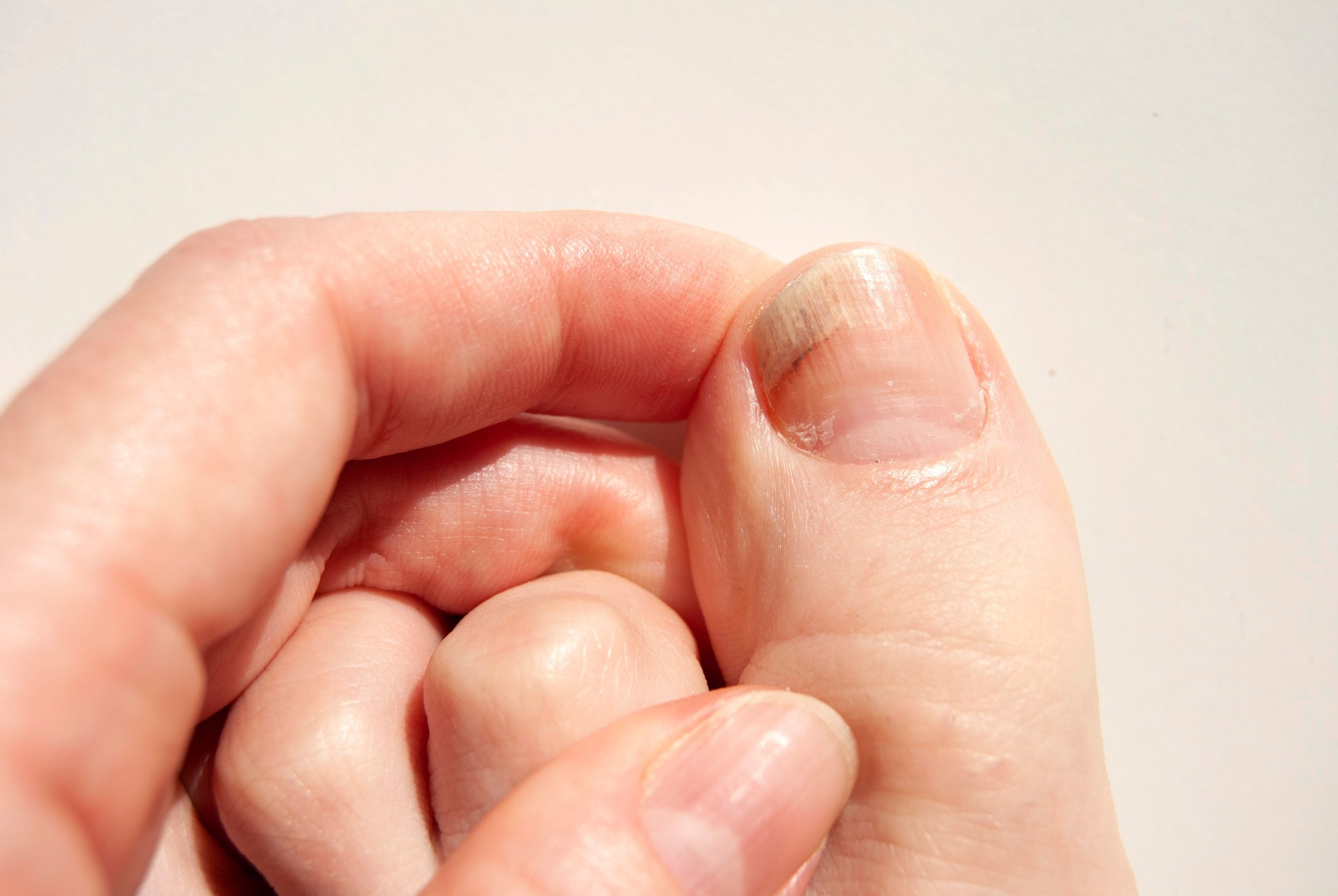
Common early signs include a small white, yellow, or brown spot under the tip of your toenail. As the infection progresses, the nail may become fully discolored, dull, and opaque. You may also notice the nail thickening and becoming difficult to trim, turning brittle or crumbly at the edges, or developing a foul odor from debris under the nail plate. In advanced cases, the nail can warp and eventually detach from the nail bed.
How to Prevent Nail Fungus at Home and in Public
Prevention begins with smart daily habits and awareness of high-risk environments.
- Wear water shoes or flip-flops in gym locker rooms, public pools, and shared showers.
- Wash and thoroughly dry your feet daily, paying attention to the spaces between your toes.
- Choose moisture-wicking socks and breathable footwear; rotate shoes daily to allow full drying.
- Trim nails straight across and keep them at a moderate length.
Healthy Habits vs. Risky Behaviors
| Foot Care Aspect | Healthy Preventive Habit | Risky Behavior |
|---|---|---|
| Public Spaces | Wearing shower shoes or flip-flops | Walking barefoot in locker rooms |
| Footwear | Wearing breathable shoes and moisture-wicking socks | Wearing tight, non-breathable shoes daily |
| Nail Trimming | Cutting nails straight across and filing edges | Cutting nails too short or rounding corners |
| Daily Hygiene | Drying feet completely, especially between toes | Leaving feet damp after showering |
Laser Treatment for Nail Fungus: A Modern, Non-Invasive Solution
When it comes to treating onychomycosis, laser therapy is one of the most advanced options available today — and one that many podiatry practices do not offer. At South Texas Podiatry, we provide laser treatment for nail fungus as part of our commitment to minimally invasive, patient-centered care.
How Does Laser Treatment Work?
Laser therapy uses targeted light energy to penetrate the nail plate and reach the fungal organisms living beneath it. The heat generated by the laser destroys the fungus without damaging the surrounding tissue. The procedure is quick, typically completed in a single office visit, and requires no anesthesia, no incisions, and no recovery time.
Unlike oral antifungal medications, laser treatment carries no risk of liver-related side effects or drug interactions. It is a safe, comfortable option for patients who want effective results without systemic medication.
Why Choose Laser Treatment?
- Non-invasive: No cutting, no needles, no downtime.
- No systemic side effects: Unlike oral antifungals, laser therapy does not affect the liver or interact with other medications.
- Fast treatment sessions: Most visits are completed in under 30 minutes.
- Effective against stubborn infections: Laser energy reaches the fungus directly beneath the nail where topical creams cannot penetrate.
- Available at South Texas Podiatry: This is a treatment option many practices in San Antonio do not provide.
What About Other Treatment Options?
While laser therapy is our preferred approach for most patients, we offer a full range of treatment options tailored to your needs. For mild infections, prescription-grade topical lacquers provide better penetration than over-the-counter creams. For patients who prefer or require it, oral antifungal medications attack the infection from within the bloodstream. Your podiatrist will review your medical history and recommend the most appropriate plan for your specific situation.
What sets our office apart is the ability to offer laser treatment — a modern, minimally invasive solution that most patients cannot access at a standard podiatry office.
Take the Next Step Toward Healthier Nails
Fungal nail infections do not resolve on their own, but with the right treatment, clear and healthy nails are achievable. If you have noticed discoloration, thickening, or brittleness in your toenails, do not wait. Contact South Texas Podiatry today to schedule a consultation and find out whether laser treatment is right for you.
Frequently Asked Questions
Is laser treatment for nail fungus painful?
Most patients experience little to no discomfort during the procedure. You may feel a mild warming sensation, but laser treatment does not require anesthesia or pain management.
How many laser sessions will I need?
The number of sessions varies depending on the severity of the infection. Many patients see significant improvement after one to three treatments. Your podiatrist will develop a personalized plan during your consultation.
How long does it take to see results from laser treatment?
Because you have to wait for the new, healthy nail to grow in and replace the infected portion, full results typically take six months to a year. However, the laser destroys the fungus immediately — the nail simply needs time to grow out naturally.
Can nail fungus spread to my hands?
Yes, though less commonly. The fungus can transfer to your fingernails if you frequently touch or pick at infected toes without washing your hands thoroughly afterward.
Should I throw away my shoes if I have a fungal infection?
Not necessarily, but you should sanitize them. Antifungal shoe sprays or UV sanitizers can eliminate lingering spores and help prevent reinfection once your treatment begins.
