Key Takeaways
- Hallux rigidus is a form of degenerative arthritis affecting the base of the big toe, leading to stiffness, pain, and limited range of motion.
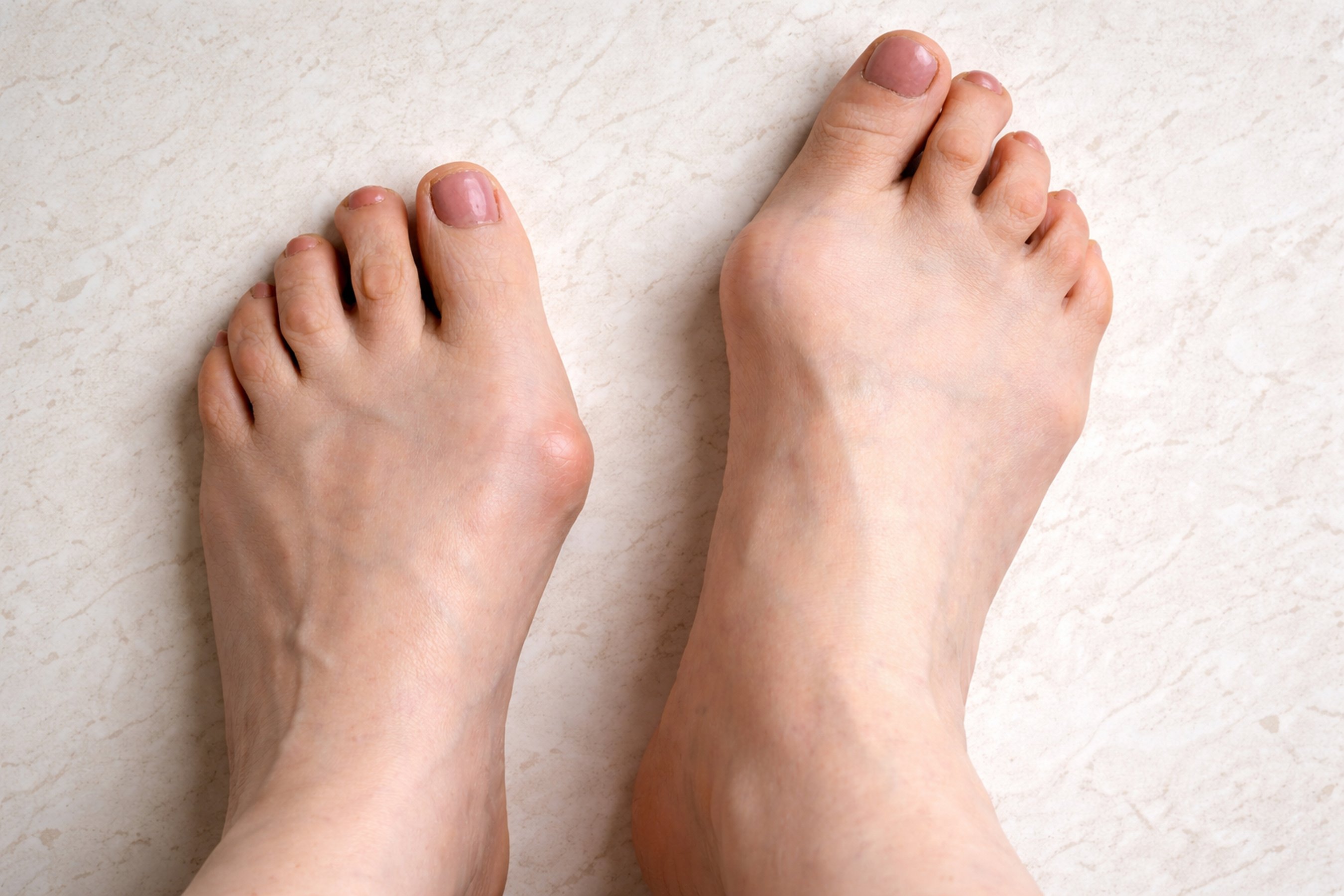
- Unlike bunions which form on the side, hallux rigidus often presents with a bony bump on the top of the foot that makes wearing shoes difficult.
- Early symptoms include stiffness in the morning or after activity, while advanced stages can lead to a 'frozen' joint that alters how you walk.
- Common triggers include previous toe injuries, structural foot abnormalities, and wear-and-tear from active lifestyles common in the San Antonio area.
- Ignoring the condition can lead to compensatory pain in the knees, hips, and lower back due to changes in your gait.
- South Texas Podiatry offers specialized care for residents in San Antonio, PA, providing advanced conservative and surgical treatments to restore mobility and reduce pain.
Understanding the 'Stiff Big Toe'
When you think of arthritis, you likely picture it affecting the knees, hips, or hands. However, the big toe joint (metatarsophalangeal or MTP joint) is actually one of the most common sites for osteoarthritis in the foot. This condition is medically known as hallux rigidus, which literally translates to 'stiff big toe.'
For residents in San Antonio, PA, where walking on varied terrain and leading active lives is common, a stiff big toe can be debilitating. The big toe is not just for balance; it is the primary 'push-off' point for every step you take. It withstands a force equal to nearly twice your body weight when walking and significantly more when running. When the cartilage in this joint wears down, the raw bone ends rub together, causing inflammation, bone spurs, and eventually, a complete loss of motion.
Recognizing the signs early is critical. In the early stages, known as hallux limitus, motion is only somewhat restricted, and conservative treatments are highly effective. If ignored, the joint can become rigid, often requiring more invasive solutions.
7 Signs You Might Have Hallux Rigidus
Foot pain can be tricky to self-diagnose. Is it gout? A bunion? A stress fracture? Here are seven specific signs that point to hallux rigidus as the culprit.
1. Pain During 'Push-Off'
The most distinct symptom of hallux rigidus is pain when the big toe bends upward (dorsiflexion). This motion happens naturally every time you take a step, right before your foot leaves the ground. If you feel a sharp catch, a deep ache, or a stabbing pain in the joint during this specific phase of walking, it indicates that the joint surfaces are no longer gliding smoothly.
2. A Bony Bump on Top of the Foot
As the cartilage wears away, the body attempts to protect the joint by growing new bone. In hallux rigidus, these bone spurs (osteophytes) typically form on the dorsal aspect (the top) of the big toe joint. You might notice a hard, bony lump right where your toe meets your foot. Unlike a bunion, which is on the side, this bump is on top and can be quite tender to the touch.
3. Difficulty Wearing Shoes
That bony bump on top of the joint often creates a conflict with footwear. You may find that shoes with a tight toe box or stiff leather press uncomfortably against the ridge of bone. For women, high heels become particularly agonizing—not just because of the fit, but because the angle forces the big toe into an extended upward position, jamming the arthritic joint.
4. Stiffness That Worsens in the Cold
Many patients in San Antonio report that their toe feels 'locked up' or deeply achy during our colder Pennsylvania months or on damp, rainy days. This sensitivity to barometric pressure and temperature changes is a classic hallmark of osteoarthritis. You may also notice significant stiffness first thing in the morning that loosens up slightly as you start moving.
5. Swelling and Inflammation
Periodic swelling around the base of the big toe is common, especially after a long walk, a hike, or a busy day on your feet. The area may look red, feel warm to the touch, or appear puffy compared to the other foot. This is a sign of active synovitis (inflammation of the joint lining) caused by the mechanical friction inside the joint.
6. Altered Gait (Limping)
To avoid the pain of bending the big toe, you might subconsciously change how you walk. Many patients start walking on the outside of their foot (supination) or taking shorter, shuffling steps to minimize the 'push-off' phase. While this might spare the toe, it often leads to secondary pain in the lateral ankle, knees, hips, or lower back because the body's shock absorption is thrown off balance.
7. Limited Range of Motion
Try to bend your big toe up and down with your hand. If it moves significantly less than the big toe on your other foot, or if it hits a 'hard stop' rather than a soft stretch, you likely have structural changes in the joint. In advanced cases (rigidus), the toe may be completely frozen, unable to bend at all.
Hallux Rigidus vs. Bunions: Knowing the Difference
It is very common for patients to confuse hallux rigidus with bunions (hallux valgus). While both affect the same joint, they are different conditions requiring different care.
| Feature | Hallux Rigidus (Arthritis) | Bunion (Hallux Valgus) |
|---|---|---|
| Primary Issue | Degeneration of cartilage; loss of motion. | Structural deformity; misalignment of bone. |
| Location of Bump | On top of the big toe joint (dorsal bunion). | On the side of the big toe joint. |
| Toe Position | Toe usually remains straight. | Big toe drifts inward toward the smaller toes. |
| Pain Trigger | Bending the toe up and down (walking). | Pressure from shoes rubbing against the side bump. |
| Range of Motion | Significantly restricted or frozen. | Usually normal range of motion, though painful. |
What Causes the Joint to Stiffen?
Why does this happen? For some San Antonio residents, it's simply genetics—if your parents had it, you might get it too. For others, it is the result of biomechanics or trauma.
- Trauma: A past injury, such as stubbing your toe severely or dropping something on it, can damage the cartilage, setting the stage for arthritis years later.
- Anatomy: People with long first metatarsal bones or fallen arches place excessive stress on the MTP joint, accelerating wear and tear.
- Overuse: Jobs that require frequent squatting or heavy lifting put immense pressure on the toe joint.
Treatment Options in San Antonio, PA
The good news is that hallux rigidus does not always require surgery. At South Texas Podiatry, we employ a graded approach to treatment, starting with conservative measures to keep you active.
Conservative Management
- Shoe Modifications: Switching to shoes with a 'rocker bottom' sole can be life-changing. The curved sole does the work for you, rocking the foot forward so the big toe doesn't have to bend. Stiff-soled hiking boots or shoes with a wide toe box are also recommended.
- Custom Orthotics: We can design inserts that limit the motion of the big toe joint (Morton’s extension) while correcting underlying issues like overpronation.
- Injection Therapy: Corticosteroid injections can powerfully reduce inflammation and pain, breaking the cycle of swelling and allowing for better mobility.
- Physical Therapy: Specialized mobilization techniques and ultrasound therapy can help break up minor adhesions and maintain joint fluidity.
Surgical Intervention
If conservative care stops working and your quality of life is affected, surgery may be the best path forward.
- Cheilectomy: For milder cases, we can surgically 'clean up' the joint by shaving down the bone spurs. This removes the physical block to motion, allowing the toe to bend more freely.
- Joint Fusion (Arthrodesis): For severe arthritis where cartilage is completely gone, fusing the bones together eliminates the pain entirely. While the toe will no longer bend, most patients return to an active lifestyle, including hiking and golfing, without pain.
- Implants: In select candidates, joint replacement can maintain motion while relieving pain.
Don't Let Hallux Rigidus Stop You—Take Action Today
Your big toe is small, but its role in your mobility is massive. If you are experiencing stiffness, pain during push-off, or have noticed a bony ridge forming on your foot, do not wait until the joint is locked. Early diagnosis of hallux rigidus opens the door to less invasive treatments that can preserve your range of motion and keep you walking the hills and streets of San Antonio pain-free.
Don't let a stiff toe freeze your active lifestyle. If you recognize these 7 signs, contact South Texas Podiatry today. Request an appointment for a comprehensive evaluation and get back to moving with confidence.
Frequently Asked Questions
Can hallux rigidus be cured?
Arthritis is a progressive condition, so it cannot be 'cured' in the sense that lost cartilage grows back. However, symptoms can be effectively managed, and progression can be slowed significantly with the right treatment plan.
Is walking bad for hallux rigidus?
Movement is good for your health, but painful movement can worsen inflammation. We recommend walking in appropriate footwear—specifically shoes with stiff soles or rocker bottoms—to minimize the bending of the toe while keeping you active.
How long is the recovery from hallux rigidus surgery?
It depends on the procedure. A cheilectomy (cleaning the joint) allows for a quick return to sneakers, often within two weeks. A fusion (locking the joint) requires 6 to 8 weeks of healing time, often in a protective boot, to ensure the bones knit together properly.
Why do I have a bump on top of my foot?
The bump is likely a 'dorsal exostosis' or bone spur. It forms as a reaction to the friction in the arthritic joint. Unlike a bunion on the side, this spur forms on top and physically blocks the toe from bending upward.